
Streaming Services in 2026: New Films and Trends
Explore how streaming services are transforming the film landscape in 2026, with insights into new trends, production strategies, and viewer impacts in Germany.
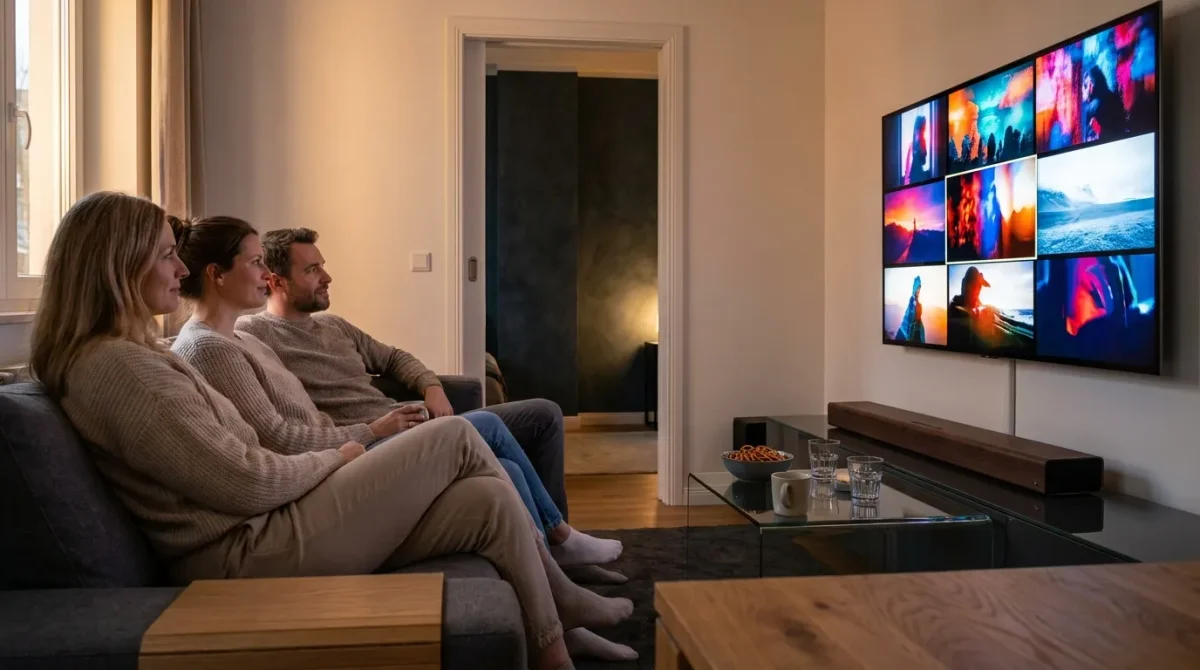
For film enthusiasts, the evolution of major streaming services has been evident over the years, and by 2026, this transformation is expected to become even more pronounced. Unlike traditional cinema releases, new films are increasingly being launched through a variety of channels, leading to shifts in budgets, genres, and viewer expectations. This dynamic landscape poses questions for audiences: Which platform is investing in what content? Why do some films hit theaters before transitioning to streaming, while others skip cinema altogether? What are the significant film trends to watch in 2026?
This article delves into the changing nature of streaming services, examining how new films are developed and marketed, and what this means for families, young adults, and home cinema fans in Germany. We will explore not only the major players like Netflix, Disney+, and Amazon Prime Video but also independent films, arthouse titles, international productions, and technical considerations like picture quality, sound, and user experience. This comprehensive overview aims to provide clarity amidst the chaos of options.
Why 2026 is a Pivotal Year for Streaming Services
In 2026, streaming platforms will find themselves at a critical juncture where mere growth is no longer sufficient. The focus has shifted from simply acquiring subscribers to fostering loyalty, profitability, and distinct brand identities. This shift has significant implications for new film releases. Platforms are now more discerning about which films attract new users, retain existing customers, and are suitable for theatrical, streaming, or hybrid releases.
Key Market Movements for Streaming Services in 2026
| Development | Significance for 2026 | Impact on New Films | |----------------------------|-------------------------------------------|------------------------------------------------------| | Higher churn rates | Platforms must profile content more sharply | More event films and recognizable brands | | Rising production costs | Budgets are allocated more strategically | Less mediocrity, more focus on clear target audiences | | Intense competition | All providers require exclusivity | Faster rights battles and shorter release windows |
However, this does not mean that diversity will diminish; rather, it will be organized differently. A family film with strong rewatch value may be prioritized over an expensive action film lacking in conversation value. This is where the film trends of 2026 become particularly evident.
New Films: A Shift in Planning, Production, and Release
The traditional release pipeline of theater, home video, pay-TV, and free TV has become more flexible. Some films are designed as streaming originals from the outset, while others are developed for theaters but are quickly moved to streaming based on market analysis. Additionally, some films receive a brief theatrical run to garner attention, reviews, and potentially awards.
For studios and platforms, three main factors are now at play: reach, brand fit, and duration of viewer engagement. A well-produced thriller can thrive if it generates weeks of discussion, while a romantic comedy may succeed if produced cheaply and draws in a large number of views quickly. This often appears to audiences as an algorithmic decision, but it is actually a blend of data, genre experience, and international marketability.
This trend is particularly relevant for German audiences, as it alters the perception of local productions. High-quality German films now have better chances of gaining international visibility. A broader look at local productions can be found in the overview of German films in 2026.
From Blockbusters to Indie Hits: The Film Trends that Matter in 2026
Not all trends carry the same weight, but several clear patterns are emerging in 2026. Firstly, there is a resurgence of the 'event film'—productions intentionally designed to be shared experiences. This could be a franchise installment or a horror film with a strong social media impact. Secondly, mid-budget films are regaining importance after being squeezed between low-cost genre titles and massive blockbusters. Lastly, independent films are gaining traction. While this may seem surprising, it makes sense; as major platforms offer similar mainstream titles, the appetite for fresh voices and unique storytelling increases.
For viewers fatigued by formulaic content, indie films often provide the most exciting responses to the prevailing film trends in 2026.
Another emerging trend is a renewed focus on clear genre promises. Horror films are expected to genuinely disturb, family films should appeal to various age groups, and thrillers need to maintain a recognizable pace. Platforms have learned that too many half-hearted blends lose their profile quickly within the catalog.
Influences on German Viewers
The German market has its own dynamics. Many people still enjoy going to the cinema but are increasingly mindful of price, comfort, and flexibility in their viewing choices. Consequently, streaming services now influence not just what we watch but also how we select films. The start screen has become almost as vital as the movie poster. A film that appears prominently on a platform garners attention, while one that does not quickly fades from view.
Three key factors play a significant role for German households:
- Family-friendliness: Parents look for content that is safe, easily discoverable, and suitable for various age groups.
- Synchronization and language options: Many viewers prefer the option to switch between the German version and the original language.
- Technology: Those with high-quality televisions, soundbars, or projectors evaluate streaming differently than those using tablets.
This trend strengthens platforms that provide stable apps, effective recommendation systems, and reliable picture quality. For film enthusiasts, it means that a great movie alone isn't always enough; presentation and comfort also play crucial roles in whether a title makes an impact.
A practical consequence of this is that film criticism must now offer more than just star ratings. Recommendations for streaming films should indicate the ideal viewing context: family night, home cinema test, arthouse evening, or casual Sunday watch. This contextualization will become increasingly important in 2026.
The Role of Technology in Film Experience
While discussions about new films often center on story, cast, and direction, the technical aspects of streaming are equally influential. A dark thriller can lose its impact if compression obscures shadowy scenes, an action film may falter if movements appear choppy, and a family film can lose its charm if the user interface is complicated and the film takes too long to start.
Thus, it is essential to consider four key points:
- Picture quality: 4K resolution means little if the bitrate fluctuates.
- Sound: High-quality surround sound makes a significant difference, especially in genres like science fiction, action, and animation.
- Subtitles and language options: These are crucial for accessibility and comfort.
- Device support: Not every app performs equally well on all smart TVs.
This highlights a content gap often overlooked by many publications: streaming is not just about content but also about film technology. Understanding special effects and digital imagery can be enhanced through resources like explanations of CGI films, which align well with the film trends of 2026, where effects are increasingly integral to a film's brand identity.
Best practice for viewers is straightforward: check resolution, audio track, and playback device before a movie night. This may sound trivial, but it can make the difference between a film being merely 'okay' and truly impactful.
How Streaming Services Shape Visibility and Conversation
In the past, a film's visibility was largely dictated by its theatrical poster. Today, the platform interface plays a crucial role in this regard. Recommendation lists, top-10 rankings, automatic trailers, and personalized homepages dictate which new films get a chance to shine. This positions streaming services as active gatekeepers—they not only present content but also shape public attention.
This duality has its pros and cons. On the positive side, smaller productions can suddenly gain prominence if the algorithm works in their favor or if a film sparks online discussions. Conversely, some deserving titles may quickly fall out of focus after just a few days, particularly independent and arthouse films that often require more time to find their audience.
As a result, many industry analysts are closely monitoring how platforms curate content in 2026. Are there collections for specific genres? Are new German films well-organized? Are there sections for family-friendly content, original versions, or award-winning productions? These seemingly minor questions are, in fact, central to building trust and providing orientation for viewers.
For users, the counter-strategy is clear: don’t rely solely on the homepage. Utilize watchlists, genre filters, and external reviews. Platforms reward quick clicks, but memorable film nights often stem from thoughtful selections.
Comparing Platforms: Not Every Service Serves the Same Purpose
Many readers seek clarity on which streaming services are best suited for new films in 2026. It’s essential to recognize that not every platform meets the same needs or expectations. Each service has its unique offerings, strengths, and weaknesses, making it crucial for viewers to understand what they are looking for in their streaming experience. In a landscape where the choices are vast, informed decisions can enhance the viewing journey and ensure that audiences find the content that resonates with them.