Independent Films in 2026: New Voices and Trends in Focus
Independent films are gaining prominence in 2026, showcasing new voices and trends at major festivals like Berlinale. Discover the evolving landscape of indie cinema and what to expect this year.
Independent films are poised for a significant moment in 2026. If you’ve been following festival announcements, streaming premieres, and niche cinema programs, you might already sense this shift. Alongside blockbuster franchises and well-known series, fresh, bold, and personal titles are emerging. This is where the excitement lies. Independent films often tell stories that find no place in mainstream cinema. They take their time, experiment with new visual languages, and provide a platform for new directors, actors, and writers.
For film enthusiasts in Germany, this is particularly intriguing. The Berlinale 2026 will once again showcase how new voices, international co-productions, and arthouse films shape the conversation. At the same time, the market is evolving. Cinema, festivals, and streaming are becoming more interconnected. This visibility, however, also complicates categorization. Which trends truly matter? What role does Berlinale 2026 play? And why is it worthwhile to pay attention right now?
This article explores the key film trends in the indie sector for 2026, covering market data, festival influences, German productions, international co-productions, streaming pathways, and practical tips for your film choices. If you want to know which independent films will define 2026 and why Berlinale 2026 remains a central touchstone, you’re in the right place.
Why Independent Films Are Gaining More Attention in 2026
The year 2026 is pivotal for indie cinema due to several converging developments. The German film market has stabilized, making local productions more visible. According to Deutschlandfunk, citing the FFA, the market share of German films reached 27.4 percent in 2025, the highest in five years. Additionally, 24.3 million cinema tickets were sold for German films out of a total of 91.9 million tickets.
Key Market Data for the German Film Market
| Metric | Value | Period | |--------------------------------|------------------|---------| | Market Share of German Films | 27.4% | 2025 | | Cinema Tickets for German Films | 24.3 million | 2025 | | Total Cinema Tickets in Germany | 91.9 million | 2025 | | Cinema Revenue in Germany | 924 million euros | 2025 |
Source: Deutschlandfunk
These figures illustrate a climate where smaller films have better chances. As audiences increasingly focus on German and European productions, not only major national hits benefit but also arthouse titles and festival films can gain traction. FFA board member Dinges emphasized this point, stating:
"German films had a market share of 27.4 percent in 2025, the highest value in the past five years."
For viewers, this means that independent films in 2026 are not merely niche topics for a small festival audience. They are becoming more visible in cinemas, frequently discussed in streaming contexts, and increasingly part of the general film landscape.
Key Trends Shaping the Indie Sector in 2026
When discussing film trends in 2026, the focus in the independent sector extends beyond genres. It encompasses production methods, storytelling forms, and audience engagement strategies. A significant trend is the blend of local narratives with international perspectives. Many new films are deeply rooted in specific cities, languages, or lifestyles while being crafted to resonate globally.
Additionally, independent films are increasingly embracing distinct styles. This may involve raw camerawork, unconventional editing rhythms, or intentionally small settings. Instead of amplifying everything, filmmakers are opting for a more concentrated approach. For viewers, this often results in a more intense experience compared to overproduced studio formats. Those interested in visual storytelling can find further insights in the article "CGI Films Explained: What Good Effects Really Mean."
A third trend is hybrid visibility. Films today are often conceived not solely for a traditional theatrical release but with festival premieres, limited cinema runs, and subsequent streaming availability in mind. Berlinale 2026 will again highlight digital visibility and formats like ‘Berlinale On Demand,’ indicating a closer integration between festivals and digital distribution.
For young viewers and home cinema fans, this is particularly exciting. An indie film no longer has to end up in a local art house; it can thrive longer through festival buzz, social media, and curated platforms.
Berlinale 2026 as a Seismograph for New Voices
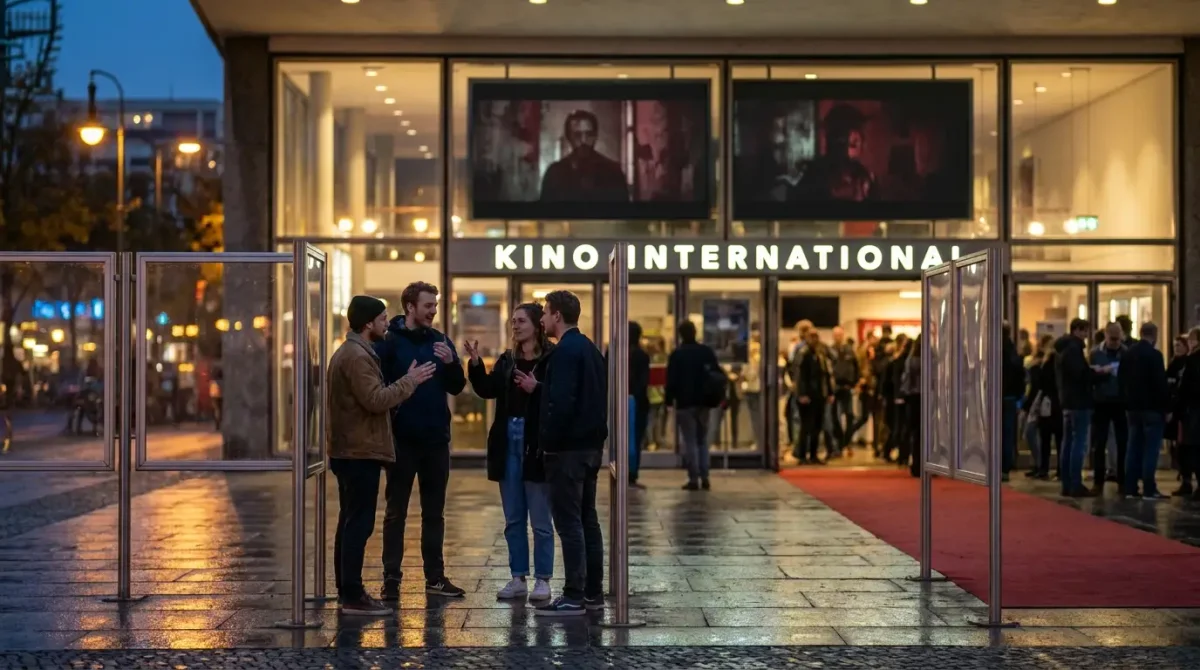
Berlinale 2026 remains one of the most significant reference points for independent films in Europe. The festival, held from February 12 to 22, 2026, showcased a wide range of competitions, forums, perspectives, and other sections. This diversity is crucial for emerging directorial voices. Not every important film wins the top prize; often, the most thrilling discoveries arise from side sections, discussions, and early critical recommendations.
The numbers also reflect Berlinale's relevance as a platform. In 2025, 336,000 tickets were sold, with 2,429 media representatives from 78 countries and 17,135 industry visitors attending. Moreover, Berlinale reported a 5 percent increase in participants at the European Film Market for 2026.
This blend of audience, press, and market makes the festival vital. A film can be discovered, discussed, and sold simultaneously, which is often more critical for independent films than a single theatrical release. The 2026 festival also noted that international co-productions were particularly influential (Die Tagespost).
For those looking to track festival films more closely, the Berlinale Guide offers a useful resource to sort your festival interests, whether you’re focused on awards, new talents, or potential streaming candidates.
German Independent Films Benefit from a Favorable Environment
For German independent films, 2026 is shaping up to be a promising year due to several favorable conditions. First, there is a growing interest in German narratives overall. Second, the number of new productions is on the rise. According to SPIO, the number of German feature film premieres in cinemas in 2025 was 13 percent higher than in 2024. Third, there is also a stronger international presence for German films.
According to DIMBB, the foreign earnings of German films in 2025 amounted to nearly 250 million euros, with over 33 million viewers. This represented an increase of around 115 percent compared to 2024. While these numbers do not guarantee that every German indie film will be easier to export, they do indicate a renewed international awareness of German productions.
This is particularly important for emerging directorial voices. A film that previously only screened at festivals can now be financed more quickly as an international co-production, presented at markets, and later distributed more widely. This shift alters career trajectories, allowing directors to remain visible without immediately transitioning to mainstream cinema.
FFA's assessment aligns with this trend. Dinges noted that not only sequels but also other forms reached audiences:
"Sequels, comedies, family films, and sophisticated arthouse and festival successes have found a broad audience."
This presents an opportunity for independent films in 2026. They are no longer relegated to the sidelines of the market; they can be integral to it while retaining their unique voice.
International Co-Productions Become the Norm
A clear trend within the indie sector is the rise of international co-productions. While it may sound technical, it is directly perceptible to audiences. Many independent films in 2026 are no longer produced in just one country. They are financed with partners from multiple nations, shot in various locations, and crafted for an international festival audience.
The advantages are evident. More partners often lead to increased funding, better distribution channels, and higher chances of securing festival slots. Simultaneously, this structure fosters new aesthetic blends. A film might be rooted in Berlin, Istanbul, and Paris yet still feel cohesive. This development was notably highlighted at Berlinale 2026 (Die Tagespost).
For viewers, this means that national categories are becoming less distinct. The most exciting indie films often defy strict classification as purely German, French, or Turkish; they embody hybrid forms. This openness can make them harder to market, as not every film fits neatly into a predefined category.
A practical tip follows: look not only for origin but for festival pathways, production partners, and directorial signatures. If a small film has received support from multiple countries and screened at a major festival, it’s often a good indicator of artistic ambition and future visibility.
For those seeking corresponding local productions, checking out "The Best German Films of 2026: New Highlights from Cinema and Streaming Compared" provides a valuable addition, illustrating how fluid the line between German cinematic success and more demanding auteur tones has become.
Cinema, Festival, and Streaming Are Growing Closer Together
Traditionally, the sequence was: festival first, then cinema, and possibly streaming later. In 2026, this order is often more flexible. Independent films particularly benefit because they are not reliant on a massive launch. What matters more is their visibility at each step.
A possible model today looks like this: premiere at Berlinale 2026, followed by reviews and discussions on social media, then a limited theatrical release in major cities, and finally a curated streaming rollout. This is ideal for home cinema users. You don’t have to reside in Berlin to eventually catch up on relevant indie films.
However, this also increases the pressure for attention. If a film doesn’t remain in the conversation after the festival, it can quickly fade away despite its quality. This is why trailers, press materials, good subtitles, early reviews, and suitable platforms are becoming increasingly important. It’s not just about the film itself but also its path to the audience.
For streaming fans, this is encouraging. Many titles that once only screened in specialized cinemas can now find their way into homes through curated streaming services, ensuring a wider reach and lasting impact.