Blu-ray Review: Come Back to the 5 and Dime, Jimmy Dean
Come Back to the 5 and Dime, Jimmy Dean is a unique film in Robert Altman's career, blending nostalgia and memory in a theatrical setting. This Blu-ray review explores its themes, performances, and restoration quality.


United States: 1982 Original Title: Come Back to the 5 and Dime, Jimmy Dean Director: Robert Altman Screenplay: Ed Graczyk Cast: Sandy Dennis, Cher, Karen Black Publisher: Rimini Éditions Duration: 1h49 Genre: Comedy, Drama Theatrical Release Date: April 6, 1983 DVD/BR Release Date: July 7, 2026
In a small-town Texas store, a group of James Dean admirers gathers to commemorate the 20th anniversary of the actor's death. This reunion prompts reflections on lost dreams and disillusionments.
The Film
Rating: 3/5
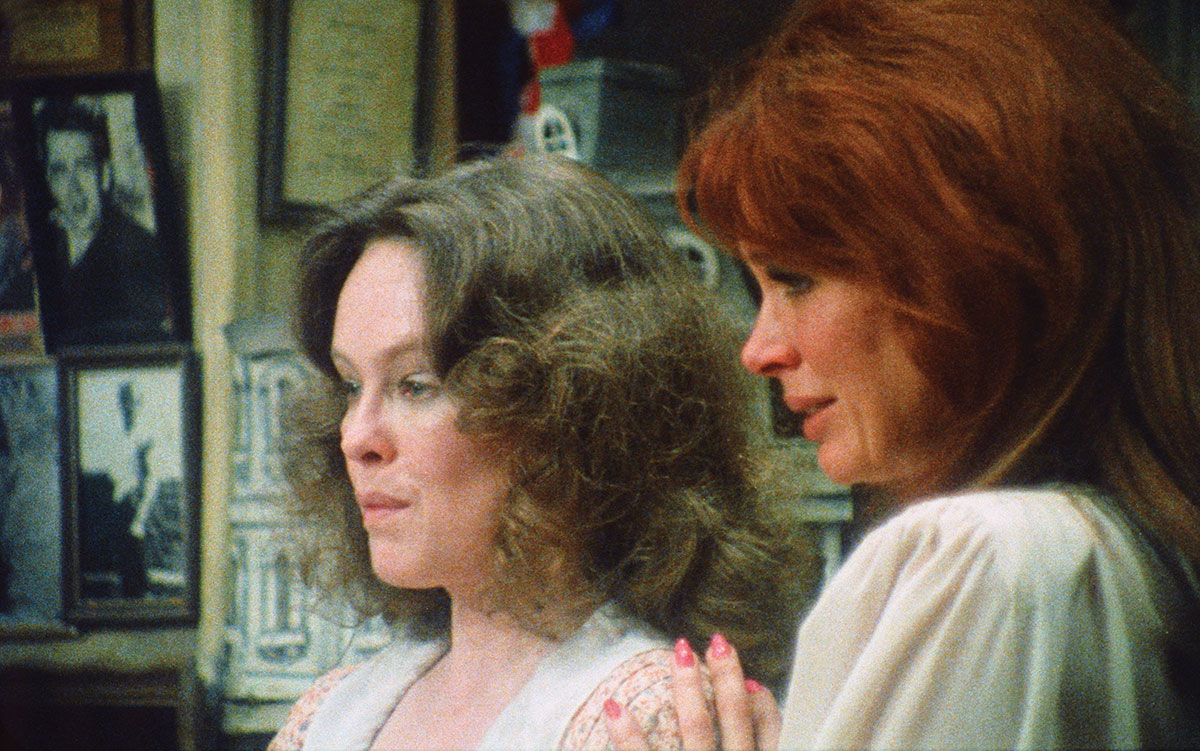
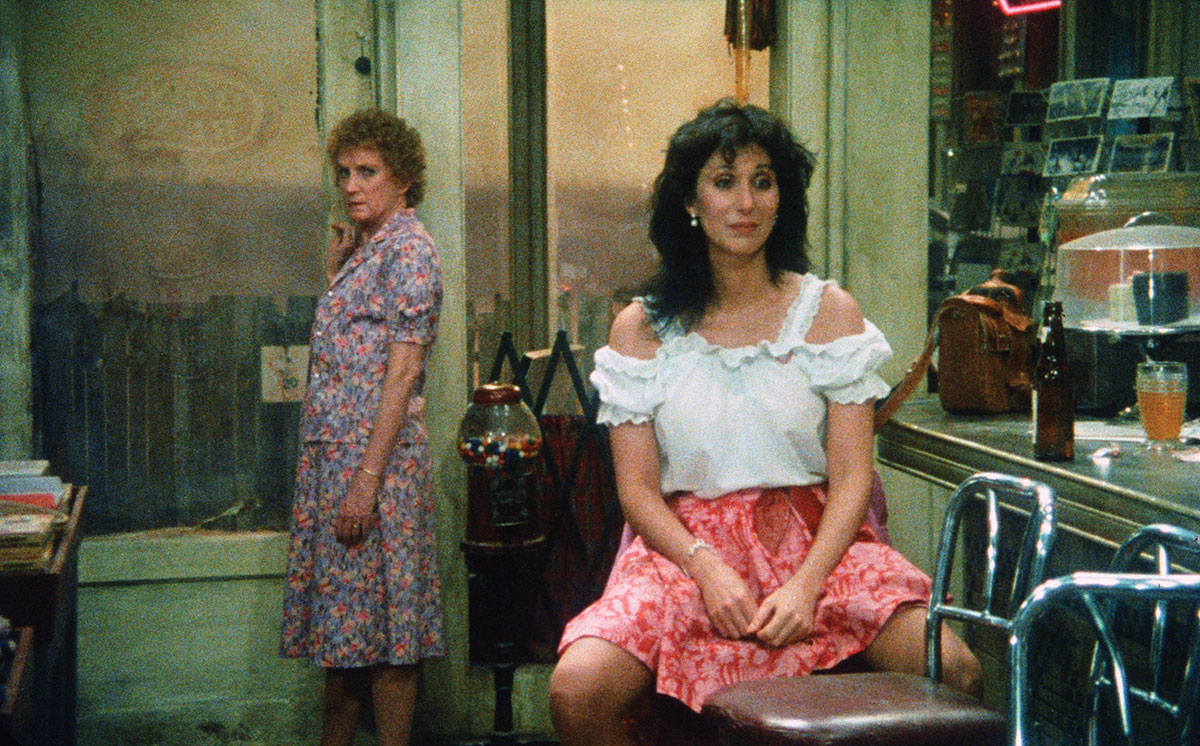
Robert Altman's cinematic style often resembles a family gathering where voices overlap, memories contradict, and silences convey more than grand declarations. Come Back to the 5 and Dime, Jimmy Dean holds a unique position in Altman's extensive filmography. Adapted from Ed Graczyk's play, the film returns to a more theatrical form, contrasting with the grand ensemble pieces that audiences typically associate with Altman. The film's concept is bold: confining a handful of women in a dusty Texas shop, allowing them to summon their youthful memories and observe what resurfaces when an idealized past sheds its makeup. While it may not be Altman's most immediately captivating work, it possesses a peculiar ability to linger in memory, much like an old photograph revealing new details upon repeated viewing.

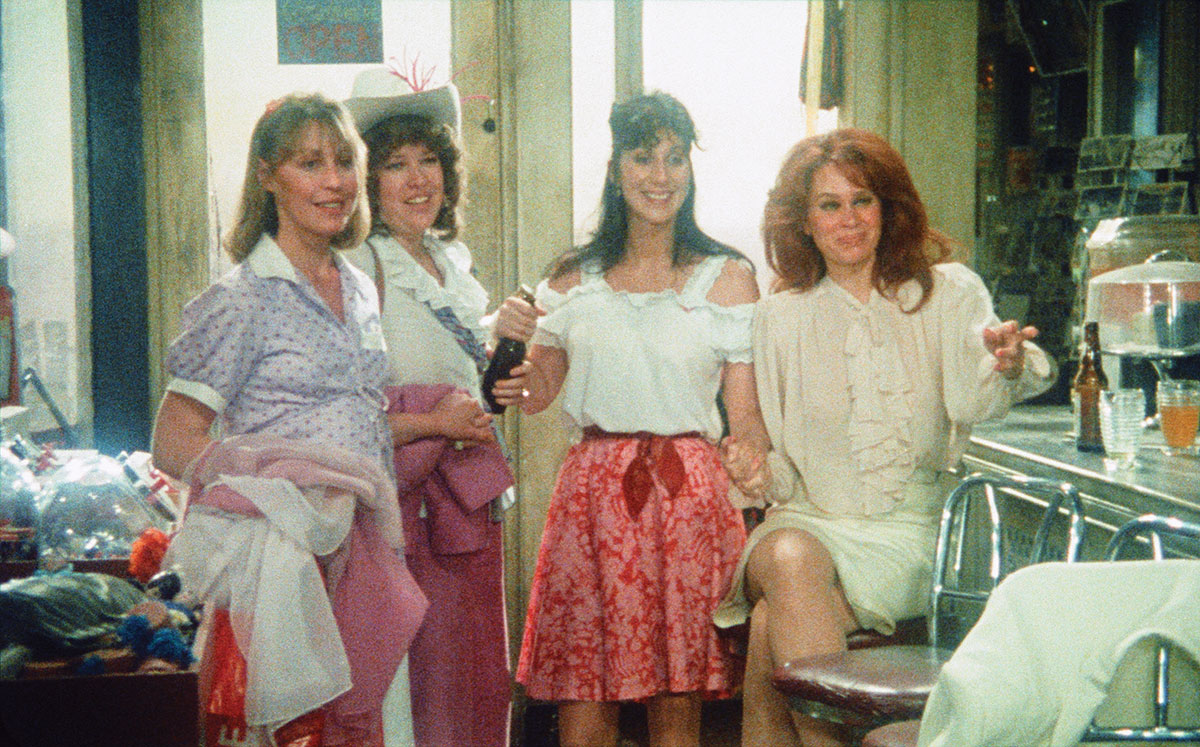
The premise of Come Back to the 5 and Dime, Jimmy Dean could be summarized on a forgotten receipt: twenty years after celebrating James Dean's supposed visit to their town, fan club members reunite to commemorate the event. However, nostalgia quickly transforms from mere decoration to a character in its own right, perhaps the most talkative one. Altman portrays memory not as a comfortable refuge but as an unstable substance capable of rewriting facts with a touching persistence. The women cling to the image of James Dean not out of lingering idolization but because he symbolizes a time when everything seemed possible. Beneath this fascination lies an America gazing at the 1950s through the weary eyes of the 1970s, grappling with political disillusionment, the liberation of morals, and a reevaluation of past ideals. Hairstyles have changed, dresses have shortened, and colors have become bolder, yet certain wounds continue to haunt familiar faces. Ultimately, Come Back to the 5 and Dime, Jimmy Dean speaks less about the star of Rebel Without a Cause and more about the personal mythologies each character constructs to navigate the passage of time. With a forty-year gap, the film's characters evoke women today who cling to their pasts by immersing themselves in social media, often fading into an illusory bubble.
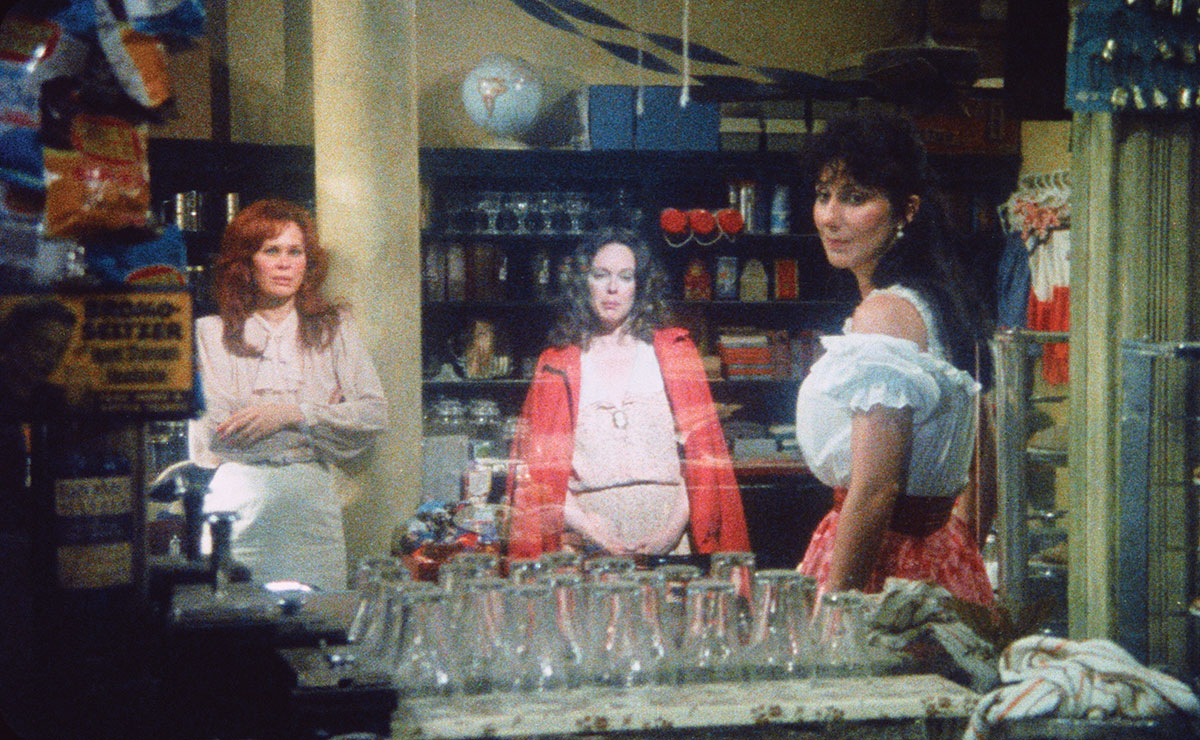
This reflection resonates directly with Altman's directorial choices. The project's theatrical roots remain ever-present, and this aspect may divide audiences. A significant portion of Come Back to the 5 and Dime, Jimmy Dean relies on dialogues, confrontations, and successive revelations, with a camera that follows the actors rather than obscuring the stage origins of the narrative. Some viewers might feel a slight sense of confinement, as if the walls of the shop are gradually closing in on the characters. Yet, this approach possesses a genuine coherence. Altman skillfully employs mirrors, transforming each reflection into a bridge between past and present. The characters appear to converse more with their own ghosts than with one another. This technique, far from being a mere aesthetic exercise, perfectly illustrates the idea that memories never truly disappear; they merely change locations within the room. Occasional pacing issues may slow the dramatic progression, with certain scenes lingering more on exchanges than their evolution. However, this slowness contributes to the sensation of witnessing a genuine reunion, where unspoken truths take time to emerge from hiding.

Ultimately, it is the performances that elevate Come Back to the 5 and Dime, Jimmy Dean beyond its confines. Cher captivates with her nuanced portrayal of a character perpetually caught between confidence and fragility, while Karen Black, Sandy Dennis, Kathy Bates, and Sudie Bond add remarkable depth to this ensemble of ordinary women whose lives seem suspended in adolescent dreams. It would be easy to reduce the film to a series of secrets revealed over forgotten cups of coffee. However, that would overlook its true charm. Come Back to the 5 and Dime, Jimmy Dean observes its characters without irony or cruelty, embracing their illusions, lies, and awkwardness with a quiet tenderness, as if Altman reminds us that everyone carries a small personal museum filled with objects that no one truly believes in—except for their owner. This profound humanity prevents the film from devolving into a mere stylistic exercise. Even when it appears to meander, Altman continues to navigate in his own way, traversing the winding paths of memory rather than the highways of conventional storytelling. It can be frustrating, often touching, and sufficiently unique to warrant rediscovery today.
The Blu-ray
Rating: 4/5
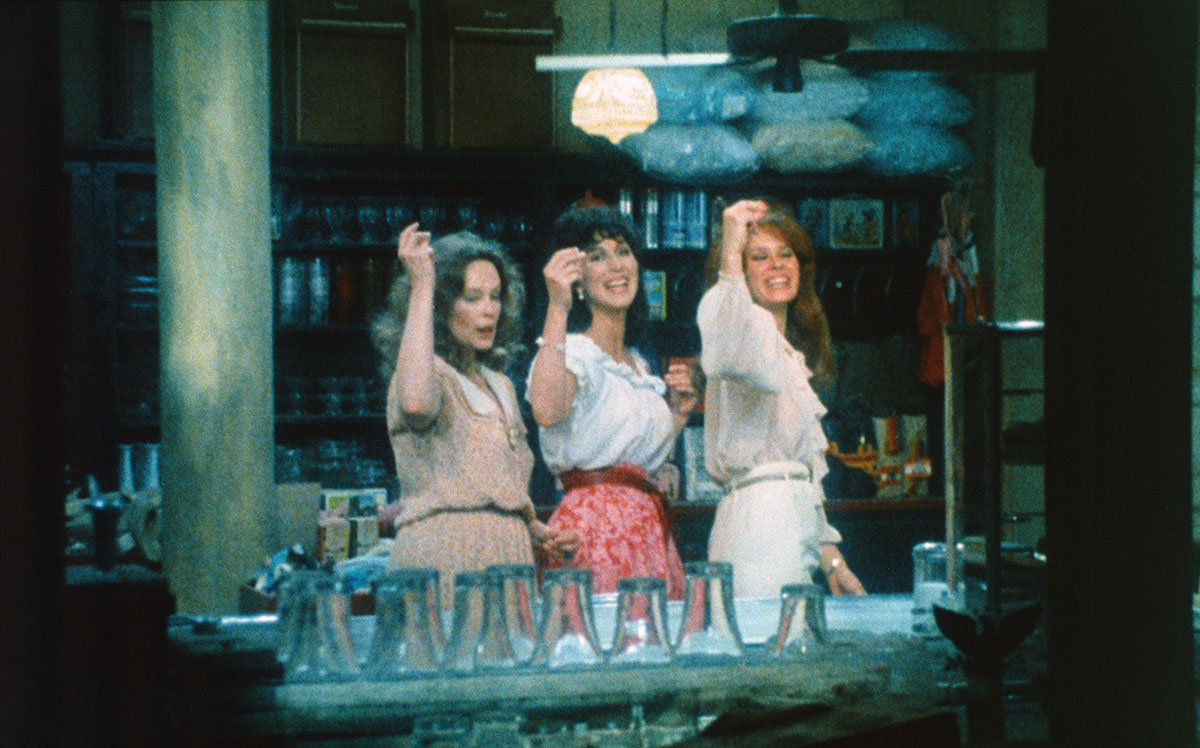
With Come Back to the 5 and Dime, Jimmy Dean, Rimini Éditions continues its commendable effort to rediscover films that have often lingered on the fringes of American cinema history. As is typical with this publisher, the editorial care is evident, though the intrinsic quality of the master used highlights that not all classics have received the same restoration conditions. The high-definition transfer is based on an older HD master that shows its age. The sharpness remains somewhat limited, with wide shots occasionally appearing soft, and the intentionally hazy photography by Pierre Mignot enhances this impression of a persistent veil. Close-ups reveal more detail, especially on the actresses' faces and expressions, but the overall picture sometimes lacks precision. Certain digital treatment choices, noticeable in the texture reproduction of clothing and skin, also impart a slightly artificial sensation. The colors are relatively muted, with a warm dominance, while the contrasts could use a bit more punch. However, nothing is truly prohibitive: the film maintains a stable, clean, and pleasant image.
On the audio front, the film is presented in its original DTS-HD Master Audio 2.0 (mono), delivering clear sound that is perfectly suited to a work primarily reliant on dialogue. The numerous conversations remain intelligible without muffling, while the songs that punctuate the narrative regain a warm presence and dynamic range. The presentation is simple, respectful, and entirely satisfactory.
As for bonus features, Rimini prioritizes several insightful contributions that contextualize Come Back to the 5 and Dime, Jimmy Dean within Robert Altman's career and the broader landscape of early 1980s American cinema. It begins with a film presentation by Frédéric Mercier (35 minutes), which serves as the centerpiece of the collection. With his characteristic precision, the critic discusses the unique place this film holds in Altman's oeuvre during a period marked by commercial struggles. The presentation sheds light on how Altman returns to the theater without abandoning his deeply cinematic direction. Mercier astutely highlights the work surrounding space, reflections, and the movement of bodies within a limited setting, illustrating how the director gradually transforms this confined space into a genuine laboratory of memories. The discussion swiftly transcends mere film analysis to explore Altman's broader obsessions: false pretenses, collective memory, shifting identities, and his enduring fascination with human groups and their dynamics. Fascinating!
Next, we have an interview with editor Jason Rosenfield (25 minutes), providing a more technical yet equally engaging perspective. His insights reveal how editing subtly contributes to the film's emotional functioning. He discusses transitions between different temporalities, the delicate balance between the play's theatrical origins and cinematic language demands, and his collaboration with Altman, whose working methods allowed for significant spontaneity among the performers. Finally, a shorter but equally enlightening segment features an interview with art director David Gropman (11 minutes), who highlights an often-overlooked aspect of Altman's film: its extraordinary work on set design. The small Texas shop where most of the action unfolds almost becomes a character in its own right, filled with objects, trinkets, posters, and relics that seem to hold the memories of those returning twenty years later. Gropman explains how each decorative element was thoughtfully designed to complement the theme of the passage of time without drawing undue attention to itself. This brief yet illuminating intervention rounds out the special features.