FIFA Plans to Sell World Cup Shares Sparks Controversy
FIFA President Gianni Infantino's plan to sell World Cup shares to private investors is met with strong criticism from UEFA, which is considering a boycott of FIFA events.
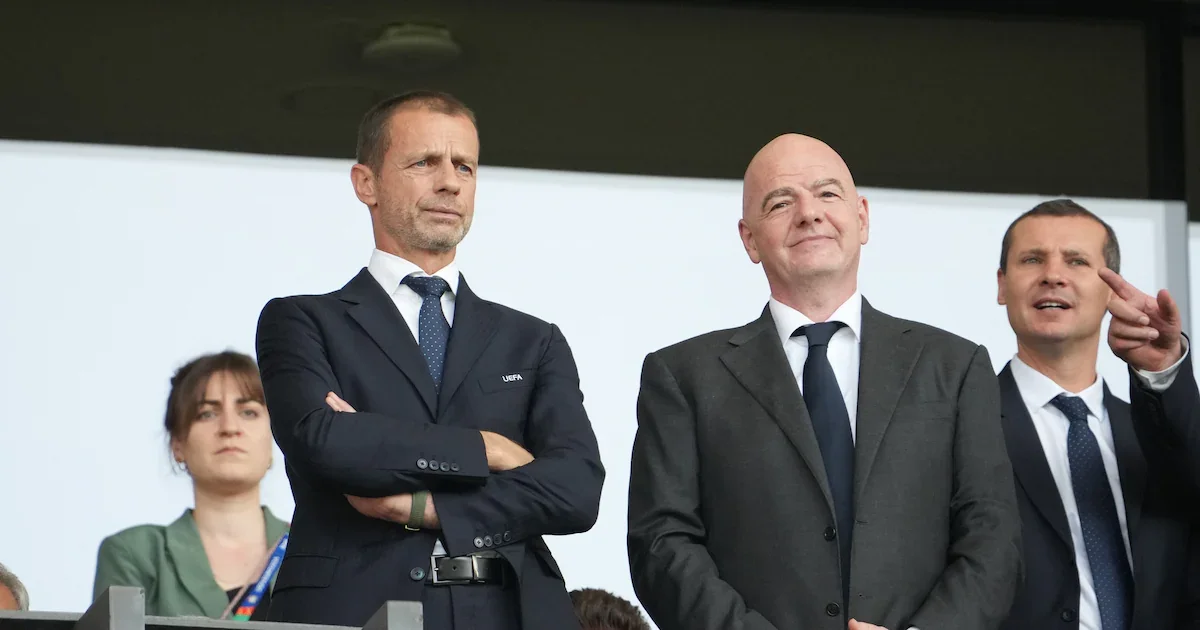
FIFA President Gianni Infantino is set to sell shares of the World Cup to private investors, a move that has drawn sharp criticism from UEFA. Internal discussions about a potential boycott of FIFA events are reportedly underway within the European football governing body.
This announcement was confirmed by FIFA on Tuesday afternoon, revealing plans to establish a new company that will oversee future World Cup tournaments. The Financial Times first reported on this development.
In response, UEFA is contemplating a boycott of FIFA events, as reported by Bloomberg. The European football association has been engaged in discussions regarding how clubs and associations could potentially boycott events like the World Cup and Club World Cup.
UEFA: "The Soul and Leadership of Football Are Not for Sale"
UEFA reacted strongly to the news, stating, "This crosses a line that the institutions responsible for football should never cross." The organization emphasized that it takes the matter very seriously, declaring, "The soul and leadership of football are not a commodity—especially not with complete opacity regarding who benefits financially. None of us own football. It is not for sale by FIFA."
FIFA's Plans Face Intense Backlash
Reports suggest that preliminary agreements for a deal worth approximately £15 billion (around €17.5 billion) have already been signed. An insider described this initiative to The Times as a "nuclear bomb" for football.
The plans reportedly involved consultations with the U.S. government during Donald Trump's presidency, while JP Morgan is managing the process.
After his presidency ends in 2031, Infantino could transition to lead the new organization as a commissioner, potentially earning millions in the process.
Concerns About International Match Scheduling
FIFA executives have discussed a model where the 211 member associations would receive shares, while FIFA itself retains the majority. Private investors would be able to buy minority stakes worth billions, initially accounting for 20 to 30 percent of the shares.
Although no binding agreement has been reached, influential figures in football have voiced significant opposition to the plans. There are fears of serious repercussions on the international match calendar, including a possible expansion of the tournament field or hosting the World Cup more frequently than before.