
Blu-ray 4K Ultra HD Review: Black Christmas
Exploring the significance of Black Christmas, a horror film that laid the groundwork for the slasher genre, now available in a stunning Blu-ray 4K Ultra HD edition.
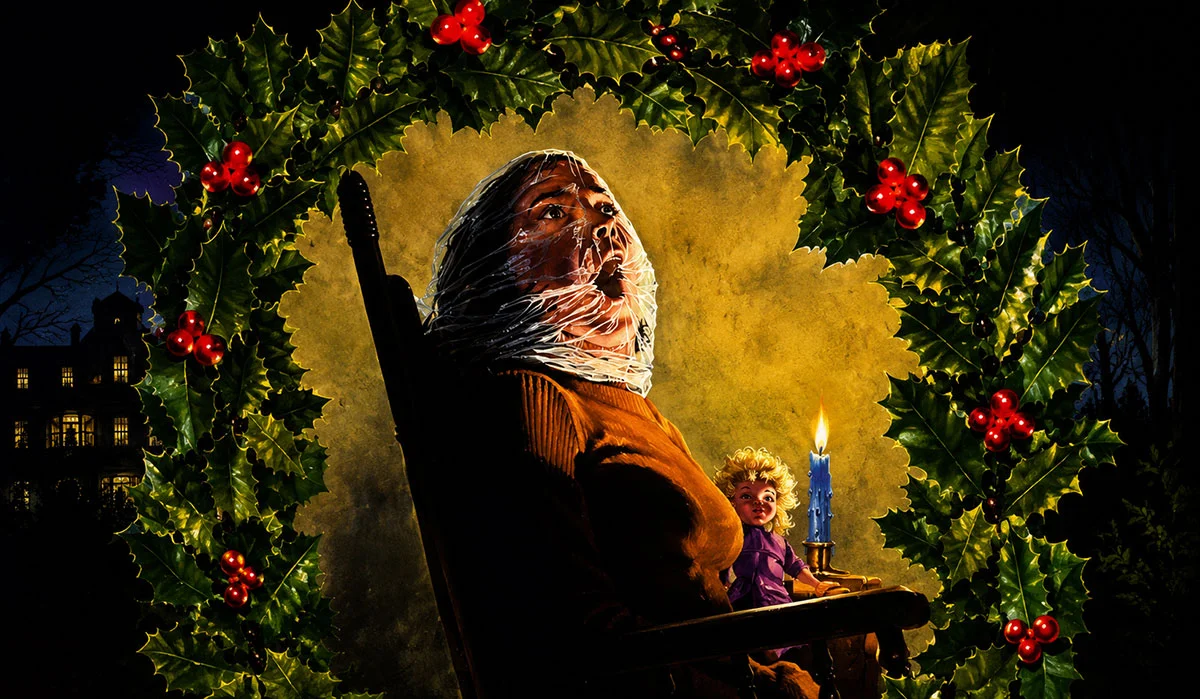
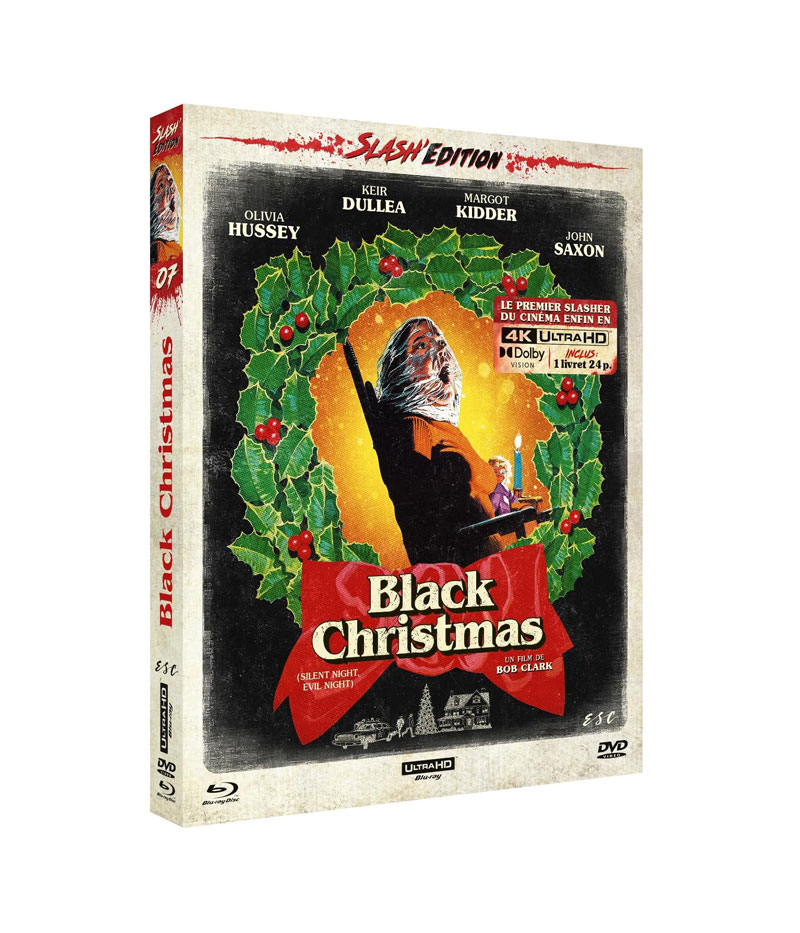
Canada: 1974 Original Title: – Director: Bob Clark Screenplay: Roy Moore Cast: Olivia Hussey, Keir Dullea, Margot Kidder Distributor: ESC Films Duration: 1h38 Genre: Horror Theatrical Release Date: October 29, 1975 DVD/BR/4K Release Date: June 24, 2026
The film follows a group of university sorority girls spending Christmas together. They receive strange phone calls, and while the girls initially find it amusing, they remain unaware that the calls are coming from inside the house...
The Film
Rating: 3.5/5
Some films arrive at a time in cinema history that feels too late for them. While not inherently bad, their impact can diminish as they follow in the footsteps of their successors. Watching Black Christmas today is akin to meeting a family’s great-grandfather after years of knowing his descendants; the familiar traits are evident, but the initial surprise has long faded. In France, Bob Clark's film has suffered from this delayed discovery, remaining obscure for decades until it resurfaced in the mid-2000s, overshadowed by later horror films such as Halloween, Friday the 13th, and Scream. This makes it challenging to grasp the shockwaves Black Christmas sent through the horror genre upon its release in 1974.
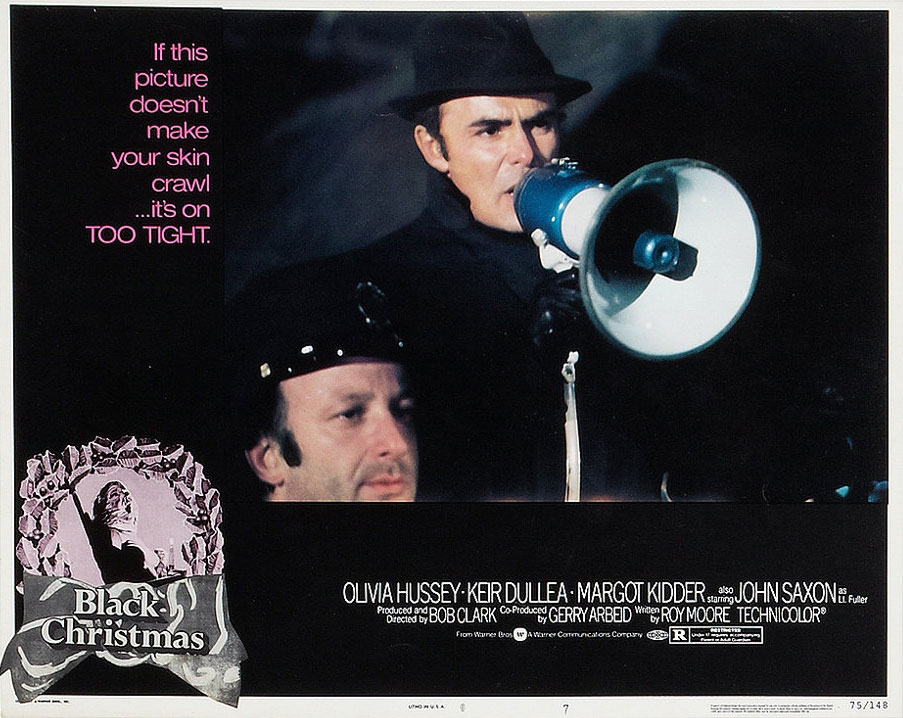
Although it did not single-handedly create the slasher genre, Black Christmas significantly contributed to its evolution. Italian giallos had already explored similar themes, and the influences of Mario Bava's Blood and Black Lace and Sergio Martino's Torso are undeniable. However, Clark masterfully combines these elements into a coherent narrative that feels almost foundational. The film introduced disturbing phone calls, a subjective camera perspective that mimics the killer's gaze, and a home that becomes a deadly trap, all while presenting a murderer without a clear psychological backstory and a deliberately frustrating ending. These concepts have left a lasting imprint on American horror cinema, even directly influencing John Carpenter's Halloween. Ironically, Black Christmas now sometimes seems to mimic the films it inspired.
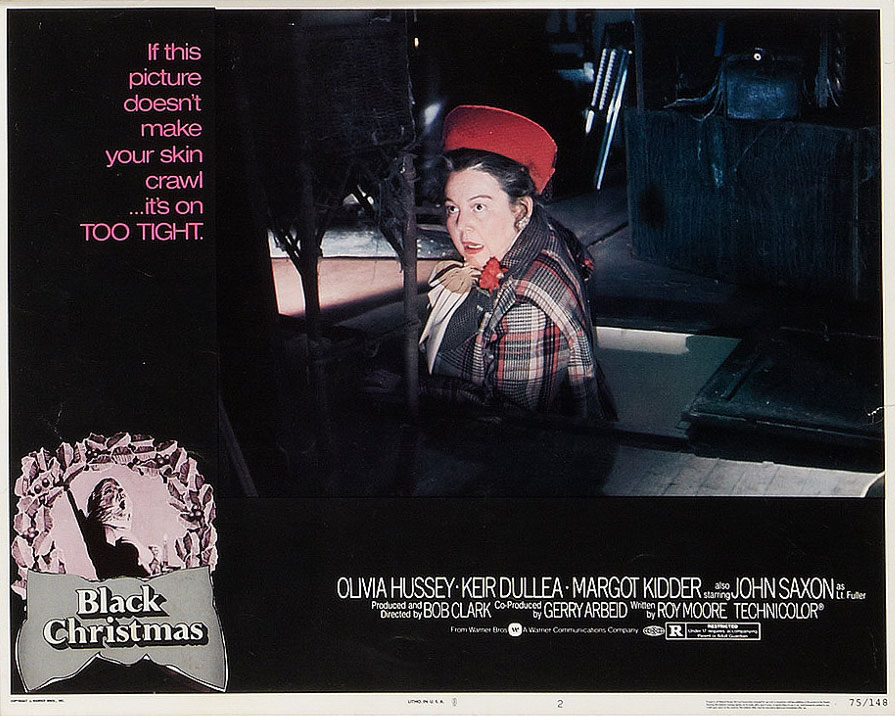
Bob Clark's career adds another layer to this perception. It's hard to reconcile the director of this tense thriller with the creator of Porky’s (1982) and the beloved A Christmas Story (1983). Black Christmas defies easy categorization. It is not yet the slasher film as conceptualized in the 1980s; rather, it is a horror-thriller that draws from both Hitchcock and Italian giallo, while developing a uniquely North American identity. More than a series of murders, the film builds an atmosphere of dread. Clark focuses less on bloodshed and more on the anticipation that precedes it. Long hallways, creaky stairs, ajar doors, and dark attics create a space where danger seems ever-present. The true star of the film might not be Billy or Jess, but the vast university house, portrayed as a living entity, where every corner seems to conceal a lurking threat.
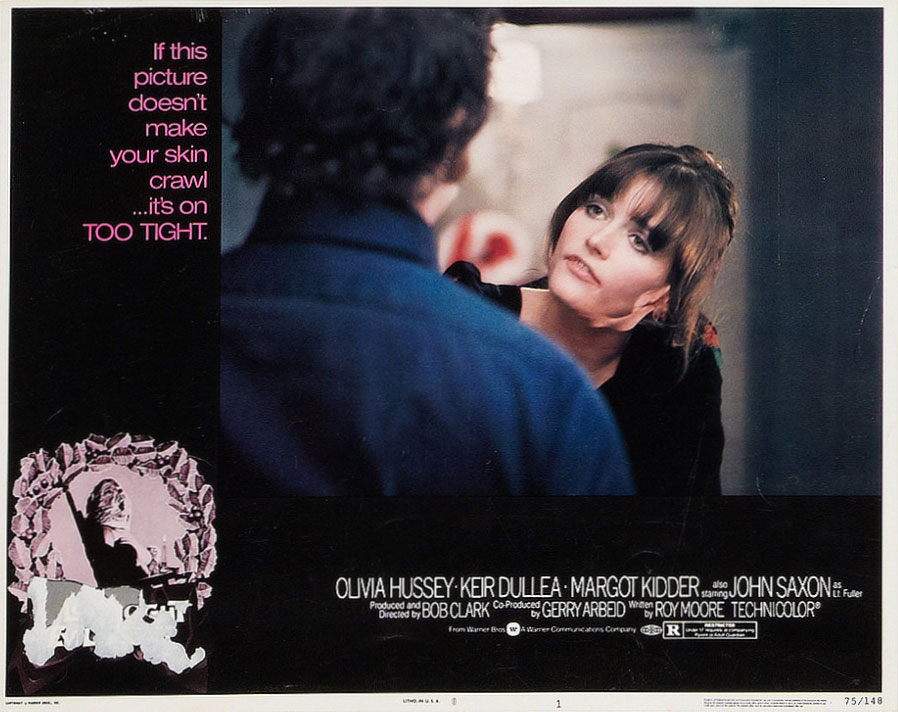
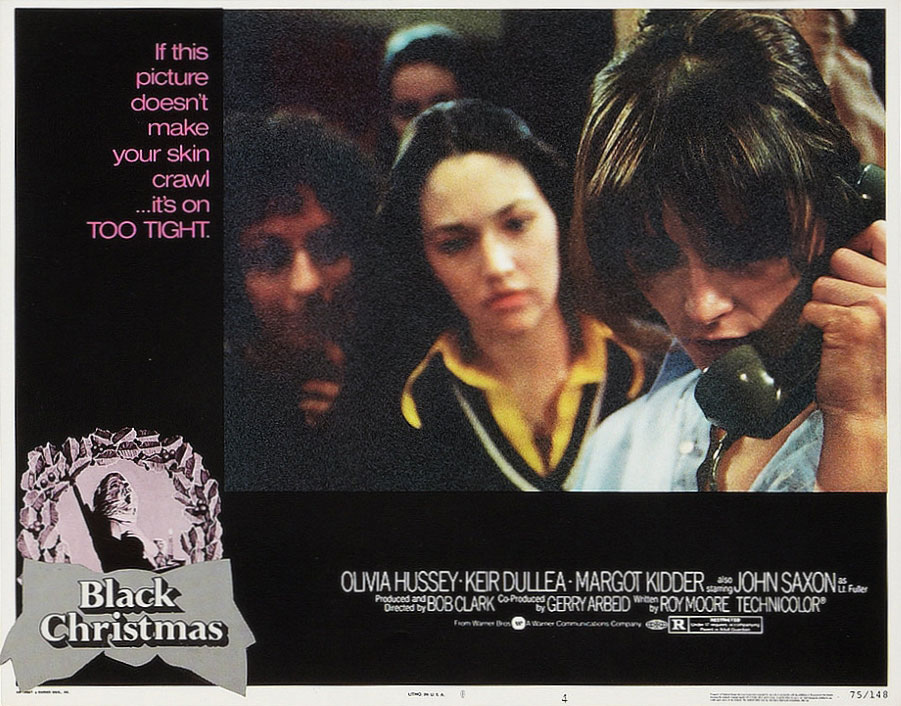
The screenplay also showcases a surprisingly modern approach for its time. Long before the slasher genre reduced its heroines to mere victims running through the woods, Black Christmas centers on richly developed female characters. The sorority girls exist beyond the looming threat, engaging in drinking, joking, arguing, and discussing their sexuality openly. Notably, Jess grapples with the topic of abortion, a contentious issue in 1974, presented here with a naturalness that remains striking today. Without turning into a manifesto, the film subtly addresses women's roles, their autonomy, and the violence they face, adding depth to a narrative that many later slashers would forsake in favor of mere body counts.
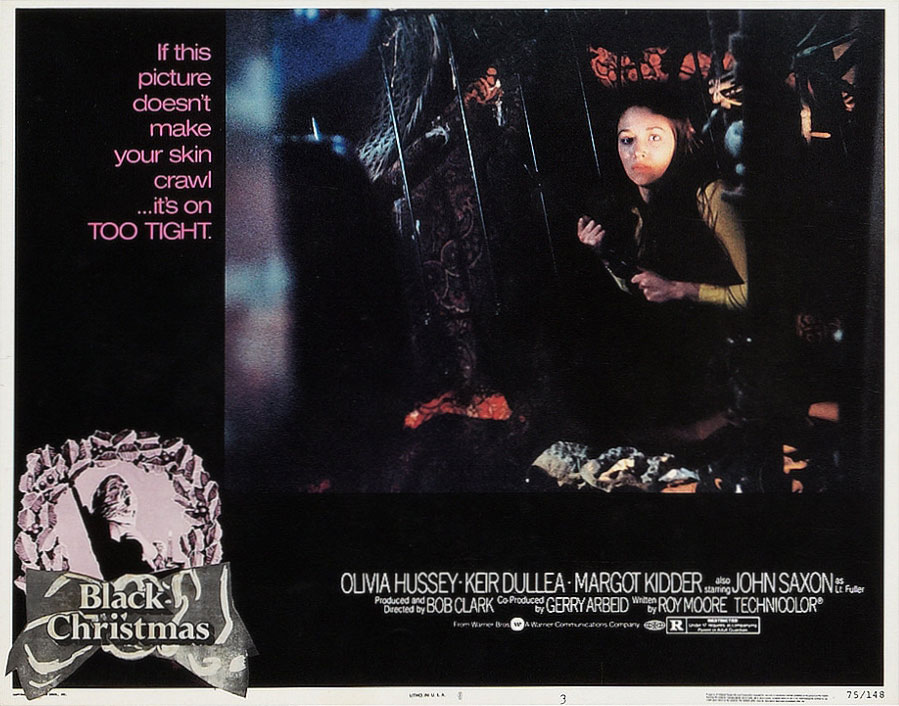
Nevertheless, it would be an exaggeration to regard Black Christmas as an untouchable masterpiece. Its historical significance does not automatically render it captivating for the full ninety-eight minutes. Clark prioritizes atmosphere to such an extent that the plot occasionally feels stagnant. Some scenes drag on, the pacing is unexpectedly loose, and several secondary characters struggle to exist beyond their roles as future victims. This contemplative approach may appeal to fans of subtle tension but could alienate contemporary viewers accustomed to more dynamic horror films. Fortunately, the strong female cast helps mitigate some of these pacing issues. Olivia Hussey brings depth to Jess, while Margot Kidder’s delightful irreverence often steals the show, showcasing a sharp wit that would put many modern productions to shame. Her brutal and effective death scene remains one of the film's standout moments, famously replicated in the 2006 remake.
The two remakes of Black Christmas, released in 2006 and 2019, provide an intriguing reflection on the original. Glen Morgan's 2006 version opts to explain almost everything, delving into the killer's childhood and motivations, diverging from Clark’s emphasis on mystery. While this reimagining features uneven results, it does include some impressive scenes and a polished direction. In contrast, Sophia Takal's 2019 version takes a radically different approach, using the classic's title as a springboard for a discussion on gender-based violence and power dynamics. Ultimately, these three films reflect their respective eras' anxieties: the unknown lurking within the home in 1974, the fascination with evil's origins in the 2000s, and the societal and feminist concerns of the late 2010s.
In hindsight, the greatest adversary of Black Christmas may not be time, but its own legacy. As it is heralded as the father of modern slashers, the film sets expectations for a continual revolution, when in reality, it excels in its atmospheric setup. A foundational work often impresses less than the grand cathedral it supports. However, it remains a fascinating piece to study for its contributions to horror cinema over the past fifty years, even if its allure has inevitably dulled for audiences arriving after its initial impact. It may not be the greatest slasher of all time, but it is undoubtedly one of the films without which many others would not exist.
The Blu-ray 4K Ultra HD Set
Rating: 4.5/5
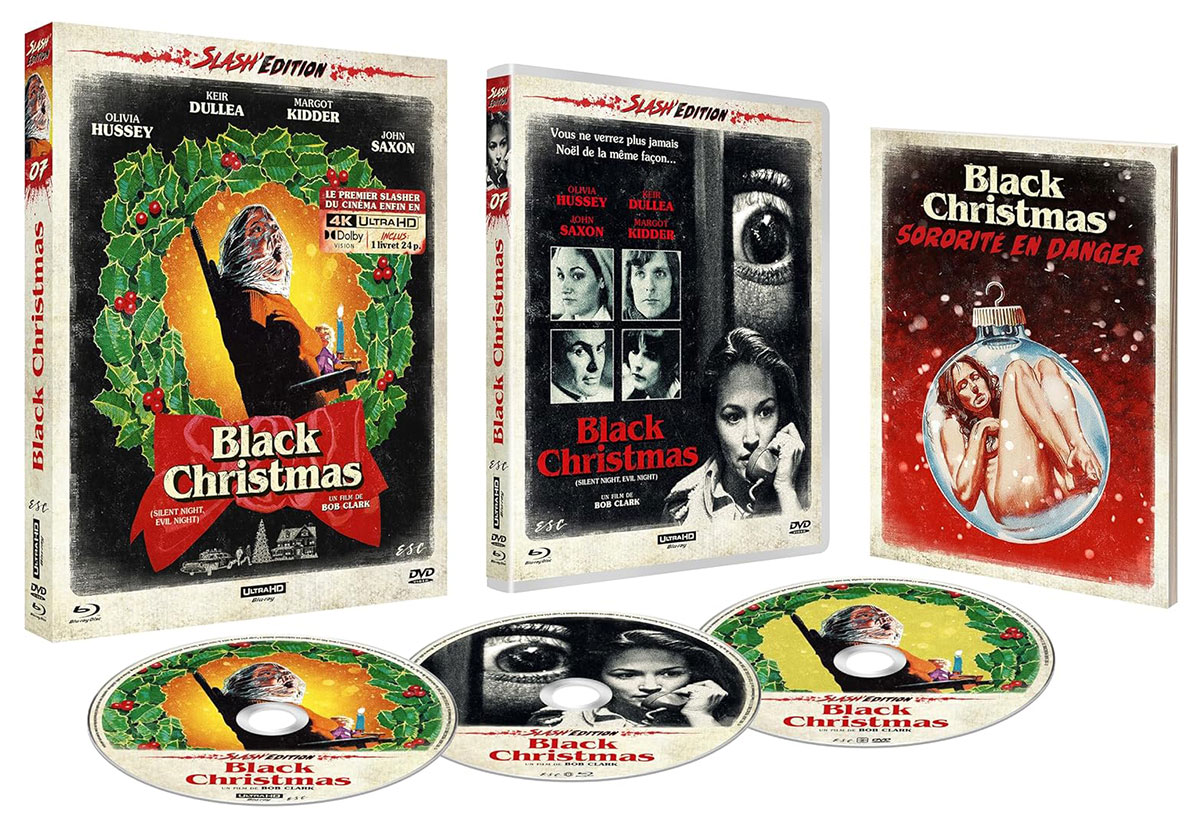
ESC Films continues its impressive work in reviving genre cinema with this Limited Collector's Edition Blu-ray 4K Ultra HD of Black Christmas, which truly honors the film's heritage. Presented in a stylish box that includes the Blu-ray 4K Ultra HD, Blu-ray, DVD, and a 24-page booklet by Marc Toullec, the release demonstrates the editorial care now characteristic of the publisher's finest offerings. This product inspires confidence, as it is not merely a re-release of a horror classic but a genuine tribute to fans of fantastic heritage.
On the visual front, the film is presented with a new Dolby Vision master, also compatible with HDR10, which fully respects the dark, wintry cinematography crafted by Reginald H. Morris. The Blu-ray 4K Ultra HD does not artificially transform Black Christmas into a technological showcase but instead restores the richness of an image whose subtleties had often been lost in previous editions. Depth in blacks is enhanced without sacrificing detail, the Christmas lights regain their warmth, and the numerous night scenes benefit from improved clarity. The sharpness is naturally more precise, while the film's grain is preserved authentically, maintaining its original texture. Some limitations inherent to the 1974 material occasionally remain, but these contribute more to the film's identity than to any technical shortcomings. ESC Films delivers a presentation that is elegant, respectful, and particularly convincing. On the audio front, the publisher offers an equally satisfying experience. The French version is presented in DTS-HD Master Audio 2.0, while the original version is available in both DTS-HD Master Audio 2.0 and DTS-HD Master Audio 5.1. The mono tracks perfectly replicate the original sound balance, with dialogue remaining clear and the unsettling score by Carl Zittrer resonating well. The DTS-HD Master Audio 5.1 remix of the original version adds a subtle but welcome spatial dimension, enhancing the atmosphere of the house, phone calls, and certain sound effects. Without seeking to showcase, it complements the film with great respect. The French version is also quite pleasant to listen to, allowing fans of dubbing to enjoy the film in excellent conditions.
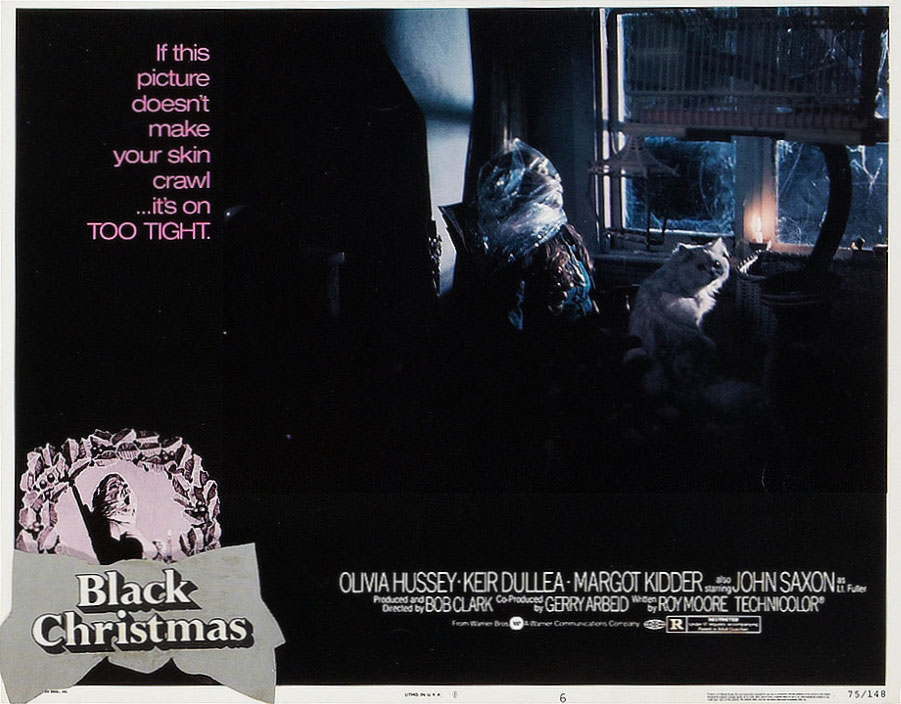
In terms of bonus content, ESC Films proves that the term "Collector" is not just a marketing gimmick. The impressive quantity of extras is noteworthy, but it is their complementary nature that stands out. Together, they form a comprehensive documentary journey dedicated to Black Christmas, its production, reception, and influence on contemporary horror cinema. The audio commentary by Bob Clark alone offers a compelling reason to rediscover the film. Far from the promotional anecdotes often found in some classic commentaries, Clark provides insights that deepen the viewer's understanding of this landmark film.