Reflections on Gianni Infantino's Presidency: A Cautionary Tale
Reflecting on Gianni Infantino's presidency, columnist Pit Gottschalk admits he was misled by promises of reform and democracy in FIFA, revealing the pitfalls of naivety in sports leadership.
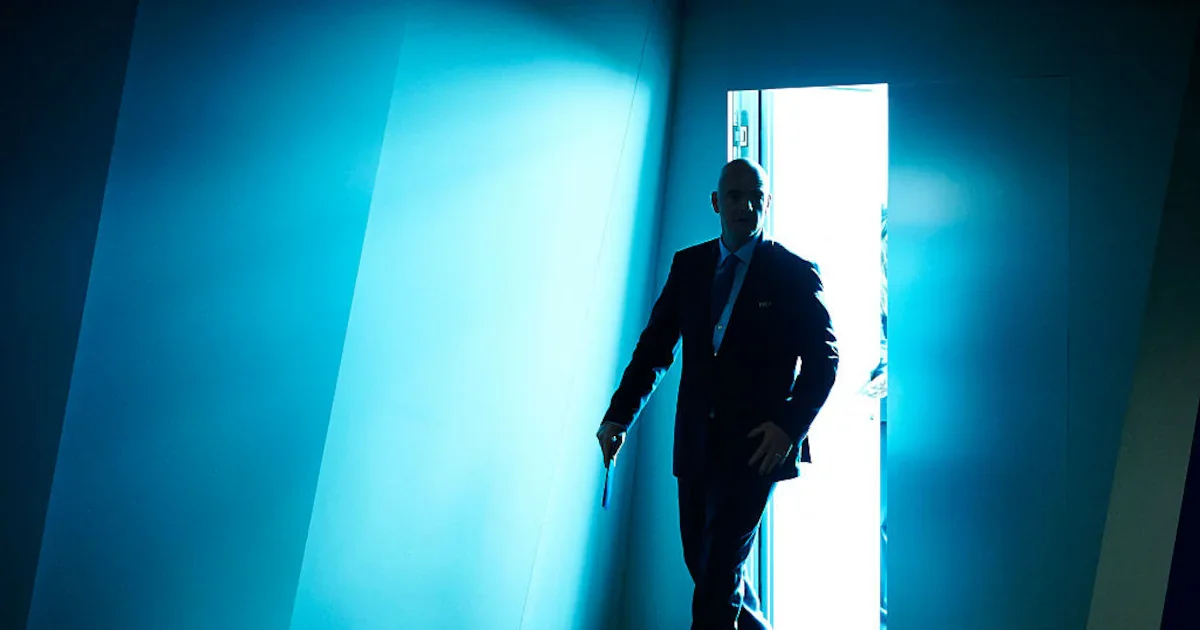
In retrospect, if we had paid closer attention during Gianni Infantino's election as FIFA President a decade ago, we might have uncovered his true intentions much sooner. Columnist Pit Gottschalk admits that he, too, was lulled by Infantino's promises.
When Infantino was elected in late February 2016, I found myself in the press box in Zurich, breathing a sigh of relief. Finally, it seemed we had a leader who genuinely cared about the future of football.
Infantino represented a hopeful change for world football, a generational shift: at 45, he was nearly half the age of his predecessor, Sepp Blatter, who is now 90. With his background as UEFA Secretary General, he appeared to bring a refreshing perspective.
Relief at Infantino's Election
Most importantly, he thwarted the ambitions of Sheikh Salman bin Ibrahim Al Khalifa, the initial favorite for the presidency. The idea of a FIFA president hailing from Bahrain, a nation with little footballing pedigree, seemed ludicrous.
Today, I realize that falling for Infantino's charm should not happen again. His election was orchestrated from the start, designed to mislead sports journalists like myself. I sensed something was amiss during a meeting in Berlin.
,regionOfInterest=(464,466)&hash=f3c921574f732b9ed7b807a41738cc25d5fa3653410b741c93f7e58a2bc14b88)
Weeks after Infantino's election, I was invited by a FIFA delegation to a clandestine meeting at the Soho House. The focus of the colorful presentation was the reforms promised by the new president.
A Promise of Democracy
The main message was enticing: a general secretary would manage day-to-day operations while the president would only oversee the organization. This was a clear break from the Blatter regime, signaling FIFA's intent to embrace more democratic practices.
At that time, it was rumored that a woman would take on the CEO role, an untested candidate. My inability to recall her name today highlights my naivete regarding the situation.
During the secret meeting in Berlin, an unsettling feeling crept over me. When someone places such importance on explaining the obvious, my instincts warned me that they were trying to distract. I chose to ignore that inner voice.
Seduced by Infantino's Vision
The FIFA Congress had approved an extensive list of reforms: a council instead of an executive committee, term limits, salary disclosures, and independent audits. I must admit, it all sounded impressive.
Moreover, the morning after his election, Infantino mingled with football stars in Zurich, showcasing his approachability. The images of a FIFA president engaging with legends like Deco circulated globally, painting a picture of a leader who truly loved the game.
,regionOfInterest=(584,192)&hash=f4589fa40d7e92a9af466b5809135b2384490e4870fc9c5fc534a05ac3bc8c4e)
Blatter had fostered a culture of cronyism and corruption worldwide, while Infantino seemed to promise a new dawn. Yet, I should have scrutinized the fine print of his campaign more closely.
He publicly pledged to redistribute more money from World Cup revenues to associations, expand the World Cup to 40 teams, and introduce tournaments with multiple hosts. We simply did not take his announcements seriously enough.
Infantino's FIFA: A Self-Serving Agenda
I certainly did not. I was more focused on his emotional acceptance speech, where he passionately declared, "We will restore FIFA's reputation and respect. Everyone in the world will applaud us."
,regionOfInterest=(794,493)&hash=4819b2d520b604630d24c4ad6273bc11583e76ca8f182853500996999b8d9d6f)
Now, a decade later, FIFA lies in ruins. Infantino's tenure has transformed a multicultural organization into a one-man show, generating billions that serve only one: Gianni Infantino himself, not the sport.
The Failed Investor Deal
We repeatedly shouted "Stop!" as the World Cup expanded, new formats like the Club World Cup emerged, Donald Trump received a peace prize, and red cards were overturned. Yet, we did nothing.
It was nearly too late before we realized we should have seen through Infantino's facade before events spiraled out of control. The parallels to politics are striking: we must guard against the beginnings of such trends. Yes, I fell for Infantino's charm.