Infantino's Bold Move: Selling World Cup Shares to Investors
Gianni Infantino's plan to sell World Cup shares to investors could reshape FIFA's financial landscape, but faces hurdles from the FIFA Council and U.S. legal scrutiny.
Analysis
Infantino's Bold Move: Selling World Cup Shares to Investors
Date: 28.07.2026 • 23:31
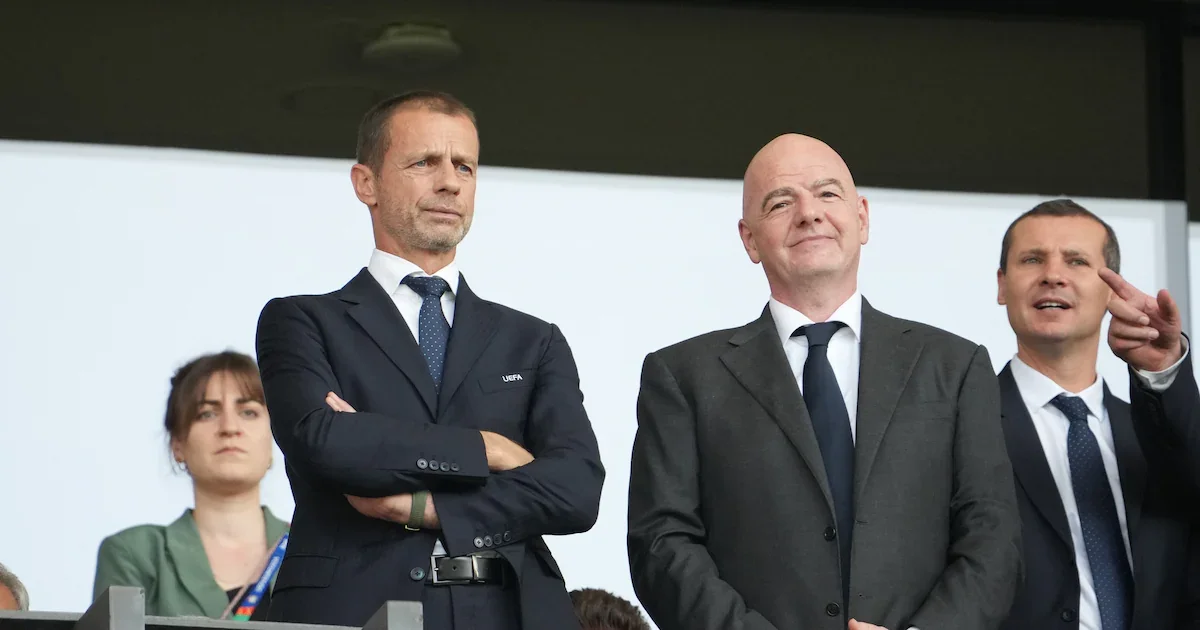
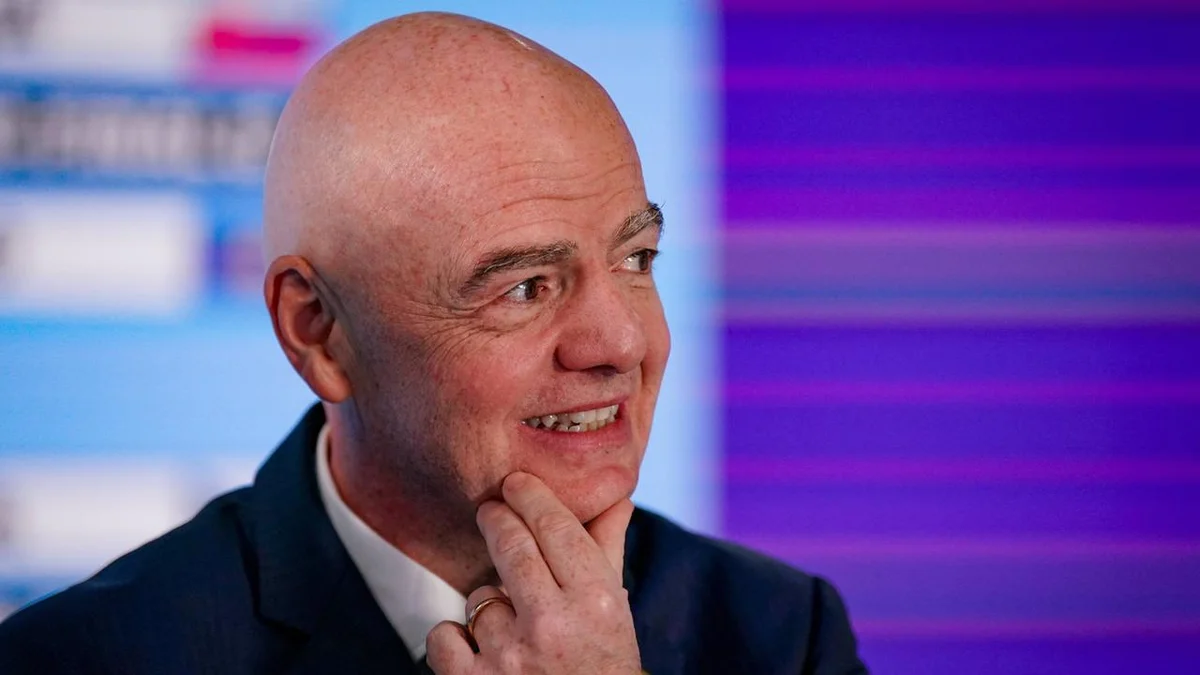
Gianni Infantino is making headlines with his audacious plan to sell shares of the World Cup to investors. This controversial strategy could potentially solidify his future in football governance. However, two significant hurdles remain, one of which involves the U.S. legal system.
In a recent announcement, FIFA revealed its intention to allow member associations to withdraw an immediate $20 million (approximately €17.56 million) each, contingent on the approval of governing bodies. This amount is set to increase to $20 million again in the next World Cup cycle leading up to 2030, and further rise to $22 and $24 million in subsequent years.
Financial Incentives as a Tool for Power
All member associations, regardless of their size, will receive the same financial benefits. For larger organizations like the German Football Association (DFB), these figures are attractive, while smaller associations from places like Andorra, Vanuatu, or the Turks and Caicos Islands find them astonishing. This raises the question: who would oppose such a lucrative offer?
With FIFA presidential elections on the horizon next year, every association holds a vote, regardless of its stature. FIFA argues that these funds will ultimately benefit football. In their statement, they emphasized, "We intend to invest massively in even the smallest and most remote parts of the football world—regions that are often neglected."
Parallels with Donald Trump
Infantino appears to have garnered the support of smaller associations while dismissing ongoing criticism from Europe regarding his investor plans. His sense of unassailability is reminiscent of his ally, Donald Trump. Both figures exhibit a notable lack of shame; Trump has boasted about pushing for a playing license for the suspended U.S. striker Folarin Balogun, while Infantino has set new absurdity standards with the FIFA Peace Prize awarded to Trump.
Focused on Profit Maximization
Utilizing the World Cup 2026 as a platform, Infantino has unabashedly pursued profit maximization. This strategy culminated in FIFA charging thousands of euros for tickets and profiting from secondary market sales that commanded even higher prices. The current initiative aligns with this trend, as a new subsidiary aims to further commercialize the World Cup while investors provide additional capital. FIFA promises to retain majority ownership and control.
Unlike the German Football League, which faced backlash from fans over similar plans, FIFA appears to face no such obstacles. The question arises: who would dare to protest during FIFA events?
Counterarguments
However, there are counterarguments to consider. Investor funds may be spent in the present, potentially leading to diminished future profits, as investors will seek their share of the revenue. They are likely to resist any attempts to curb commercialization. What if future FIFA presidents decide to view the World Cup not merely as a product but as a societal event accessible to all?
Once investors are involved, getting rid of them becomes nearly impossible, paving the way for further share sales. This raises a critical question: who truly owns football? Can FIFA officials justify selling portions of the world’s most popular football tournament?
Final Hurdles: The FIFA Council and U.S. Justice
The FIFA Council could pose a significant obstacle, as critics of Infantino hold more sway there than in the Congress. For instance, they previously blocked Infantino's billion-dollar deal with Saudi investors in 2018 concerning the Club World Cup and a global Nations League.
The U.S. justice system could also present challenges, having previously been a formidable opponent to FIFA during the 2015 corruption scandal. Recently, Jamie Raskin, a senior Democrat on the Judiciary Committee, called for an investigation into the connections between Infantino and Trump, suggesting that he may summon the FIFA president to testify.
Connections to the Trump Family
The investment plans also reveal ties to the Trump administration. Thrive Capital, a venture capital firm, is owned by Joshua Kushner, the younger brother of Trump’s son-in-law Jared Kushner.
The investor deal could represent Infantino's biggest coup, particularly concerning his future. According to FIFA statutes, he can remain president until a maximum of 2031, after which he could reportedly transition to a well-compensated position within the subsidiary he created. This move would be consistent with his overarching strategy.