Infantino Faces Pressure: Four Potential Successors Emerge
Gianni Infantino faces significant criticism as UEFA withdraws support. Four potential successors are being discussed, but one has already declined. The electoral system complicates any leadership change.
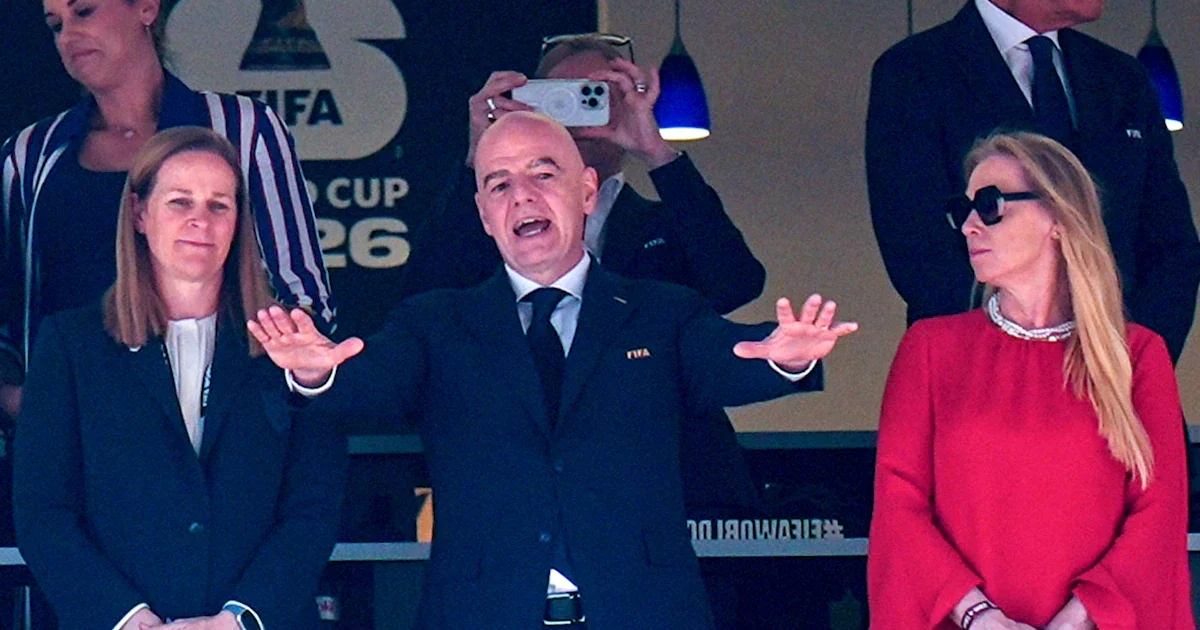
Gianni Infantino, the FIFA president, is currently under intense scrutiny, particularly following UEFA's recent withdrawal of support. Despite this mounting criticism, a challenge to his leadership appears complicated, especially as one of the four potential contenders has already ruled himself out.
Im Video: Pressestimmen zum Fifa-Knall - „Gianni Infantino hat eine demütigende Niederlage erlitten“
Infantino Under Fire: Possible Challengers
Reports indicate that UEFA is actively seeking a viable opponent for Infantino, who could stand in the next FIFA presidential election at the 77th FIFA Congress scheduled for March 2027. However, an alternative candidate must be nominated by November 18. The names currently in discussion include:
- Nasser Al-Khelaïfi (President of PSG & ECA Chief): European football leaders are reportedly attempting to recruit the influential Qatari as a counterweight to Infantino. However, Al-Khelaïfi has swiftly dismissed these rumors, asserting that he has no ambitions for the presidency.
- Sheikh Salman bin Ibrahim Al-Khalifa (AFC President): Al-Khalifa, who lost to Infantino in the 2016 presidential election, is recognized as one of Infantino's most vocal critics. On Thursday, the AFC president from Bahrain described the World Cup sales plans as "unacceptable."
- Victor Montagliani (Concacaf President): The Canadian Montagliani is also considered a potential successor, according to Sky Sports. Traditionally, the North and Central American football federation has supported Infantino, but its recent alignment with UEFA could indicate a significant shift.
- Lise Klaveness (President of the Norwegian Football Association): Known for her bold reformist stance, Klaveness is a prominent critic of Infantino's leadership style, earning respect in parts of Europe and civil society. However, she lacks the necessary backing from non-EU confederations within FIFA's conservative voting structure.
FIFA's Electoral System Complicates Leadership Change
Before the revelation of plans to sell World Cup shares to private investors, Infantino was seen as untouchable. Although he now faces challenges, FIFA's electoral framework makes a leadership change difficult.
- Regardless of a nation's size, economic power, or footballing tradition, each country has exactly one vote. This means that the German Football Association (DFB) holds the same voting weight as smaller island nations like Montserrat or Guam.
- In the first round of voting, a two-thirds majority of all eligible associations is required (141 votes). From the second round onwards, an absolute majority of the votes cast is sufficient (106 votes).
- Voting is conducted in secret during the Congress assembly.
Infantino Has Solidified His Position Since 2016
Infantino's broad support, especially from smaller federations outside Europe, can be attributed to his expansion of the World Cup to 48 teams. His proposal to increase the tournament to 64 teams is likely to further entrench his position.
Additionally, Infantino has significantly increased financial contributions to member associations through the "FIFA Forward" funding initiative, with World Cup revenues being channeled directly as development aid to regional federations.