Gianni Infantino Faces Growing Isolation Within FIFA
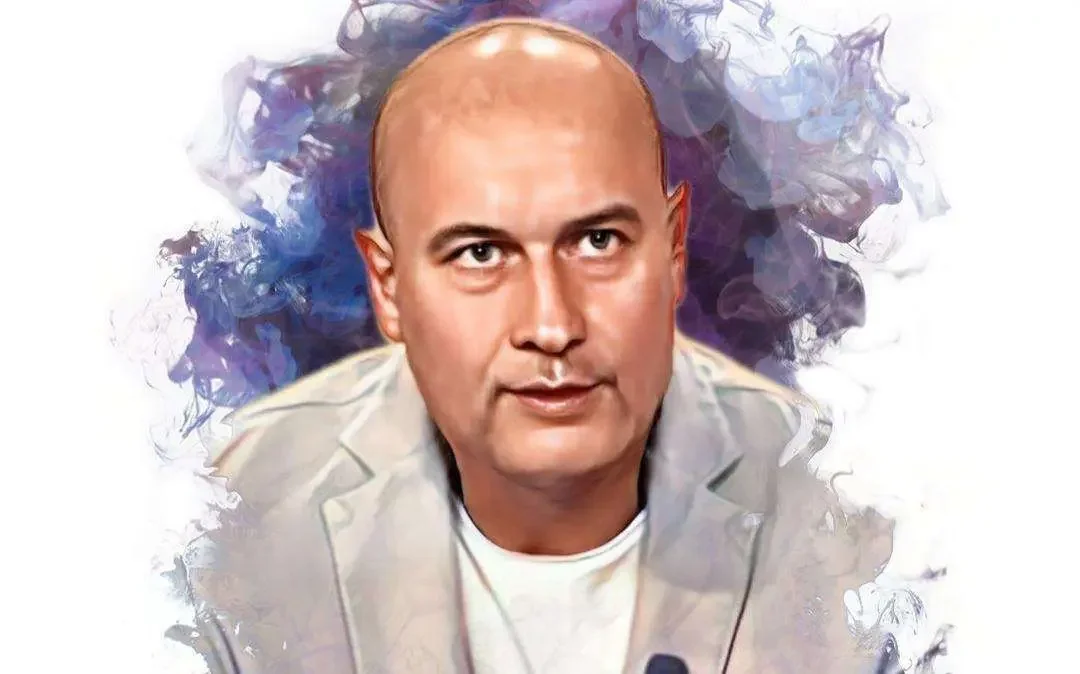
Gianni Infantino faces growing isolation within FIFA as internal dissent rises and support dwindles, raising questions about his future as president.
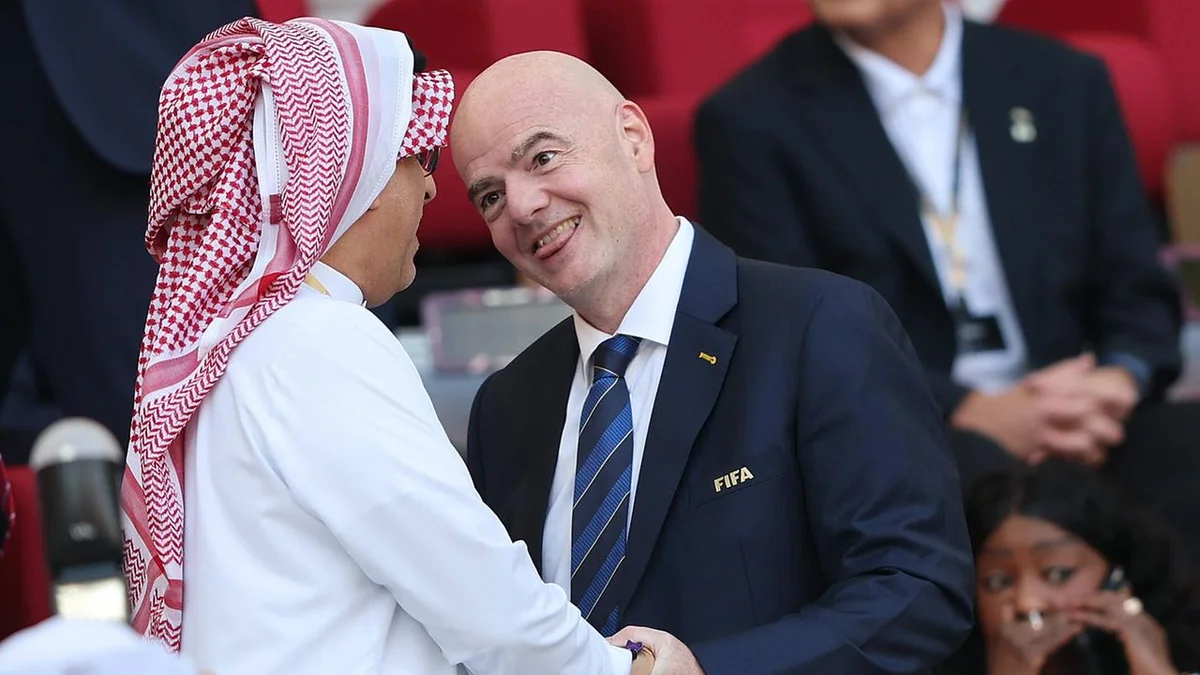
Gianni Infantino Faces Growing Isolation Within FIFA
As Gianni Infantino's position within FIFA becomes increasingly precarious, some associations still show their loyalty, suggesting he shouldn't be written off just yet.
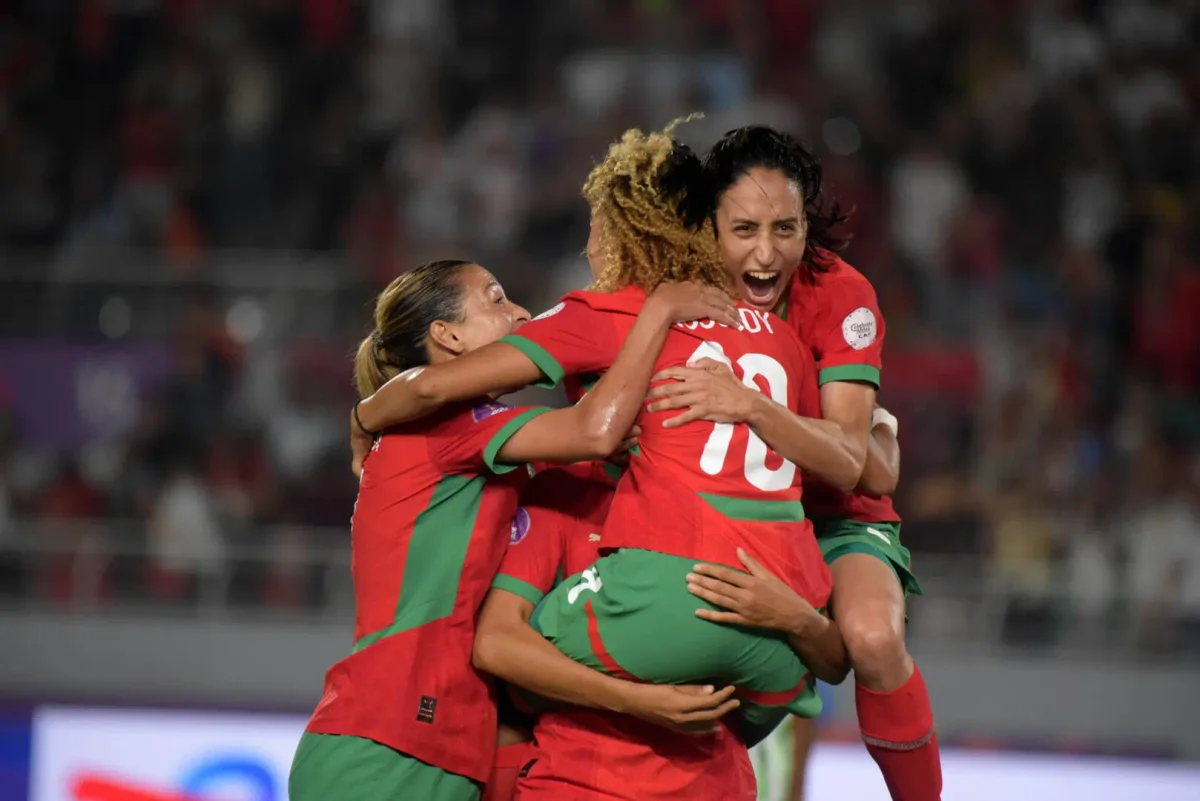
Recent reactions highlight Infantino's willingness to prioritize consensus over commercial interests, showcasing his "genuine leadership strength." This praise comes in response to his decision to withdraw a controversial investor deal after facing significant international backlash and threats of boycotts from Europe. Infantino shared this commendation on his Instagram, along with supportive messages from national federations in Morocco, Qatar, Kuwait, Sri Lanka, and the United Arab Emirates. Notably, the praise originated from Bhutan.
While Bhutan's influence in international football may seem minimal, it holds equal weight in FIFA's voting structure compared to larger nations like Germany. This situation is compounded by the fact that five Asian federations have voiced their support for Infantino, even after the Asian Football Confederation (AFC) joined in the criticism from Europe and North America, which significantly contributed to Infantino's decision to abandon his plans.
AFC Calls for Reform
The AFC, usually one of Infantino's staunchest allies, has also criticized the lack of communication from FIFA, calling for reforms. They stated that the current circumstances should act as a catalyst for strengthening institutional reforms within FIFA.
However, the unity of opposition against Infantino is in question as discussions arise about his potential continuation as FIFA President.
Infantino's Repeated Controversies
Many believe that genuine reform cannot occur while Infantino remains in power. The Swiss official has a history of controversial actions, including secretive plans in 2018 to sell shares in FIFA rights, which ultimately failed due to internal resistance but allowed him to maintain his position.
His consolidation of power has been evident, particularly when he awarded the 2034 World Cup to Saudi Arabia and created a peace prize for Donald Trump without facing significant opposition, even from Germany. It was only his latest unilateral move regarding the investor deal that sparked widespread dissent.
Internal Dissent Grows
There is now unexpected internal resistance against Infantino. His chief advisor, Carlos Cordeiro, resigned, and FIFA's operations director, Kevin Lamour, accused Infantino of betraying and intimidating FIFA staff. Furthermore, General Secretary Mattias Grafström reportedly expressed criticism in an email to staff, describing the recent events as a "sad and reprehensible sequence of occurrences."
Arsène Wenger, FIFA's chief of global football development, had remained silent for a long time but recently clarified that he was not involved in the investor plans. He stated that abandoning them was "absolutely necessary" and emphasized the importance of an "independent FIFA that serves our sport with commitment, transparency, and integrity."
While Wenger did not directly name Infantino, his comments regarding transparency and integrity can be interpreted as veiled criticism.
Limited Support from Africa
Support for Infantino from African federations has also been notably muted. Historically, he has relied on the ability to distribute FIFA funds generously to maintain support from these associations. CAF President Patrice Motsepe, who owes his position to Infantino, had previously expressed loyalty, stating, "I come from a place where you learn never to turn your back on those who have supported you."
Trump Avoids the Infantino Question
In the United States, the White House has remained tight-lipped regarding Infantino, despite President Donald Trump's previous admiration for him and even suggesting him as a potential UN Secretary-General. When asked if Infantino had discussed the investor plans with him, Trump simply replied, "No, I have never spoken to him."
Rumors have circulated that Infantino unsuccessfully sought allies among Trump and other U.S. government officials. FIFA has dismissed reports of these attempts as "completely fabricated".
Upcoming FIFA Council Meeting
FIFA elections are scheduled for March 18, 2027, in Rabat, Morocco. However, given Infantino's current turmoil, it is likely that his opponents will attempt to expedite actions against him. They could potentially call for his resignation during a special FIFA Council meeting.
To convene such a meeting, at least 19 of the 37 FIFA Council members must request it, and it would need to occur within two weeks.
Potential Successors: Ceferin, Montagliani, Klaveness
Should Infantino find himself fighting for his position, the opposition will need to rally behind a challenger. Candidates being considered include current continental federation heads Alexander Ceferin (UEFA) and Victor Montagliani (CONCACAF). Former FIFA President Sepp Blatter has also suggested Lise Klaveness, the president of Norway's football federation, who has been one of Infantino's most vocal critics in recent years.
If a candidate is identified, a special congress could follow, requiring at least 43 of the 211 FIFA member associations to request it. The European federations alone number 55.
Support from Sri Lanka
In certain regions, Infantino still appears untouchable. For instance, the president of the Sri Lankan football federation praised Infantino for his "outstanding leadership qualities" and an "inclusive leadership style" based on "dialogue, mutual respect, and a sincere commitment to serving the global football community."
The crisis facing FIFA is far from over. As UEFA Vice President Laura McAllister noted, "Let’s wait and see how the next few days unfold. I believe there are still several twists to come."