
Exploring the Chilling Atmosphere of Backrooms
Kane Parsons' film Backrooms captures the unsettling atmosphere of empty spaces, drawing from the concept of creepy pasta. With a modest budget, it has achieved remarkable success, blending horror with a unique analog style.
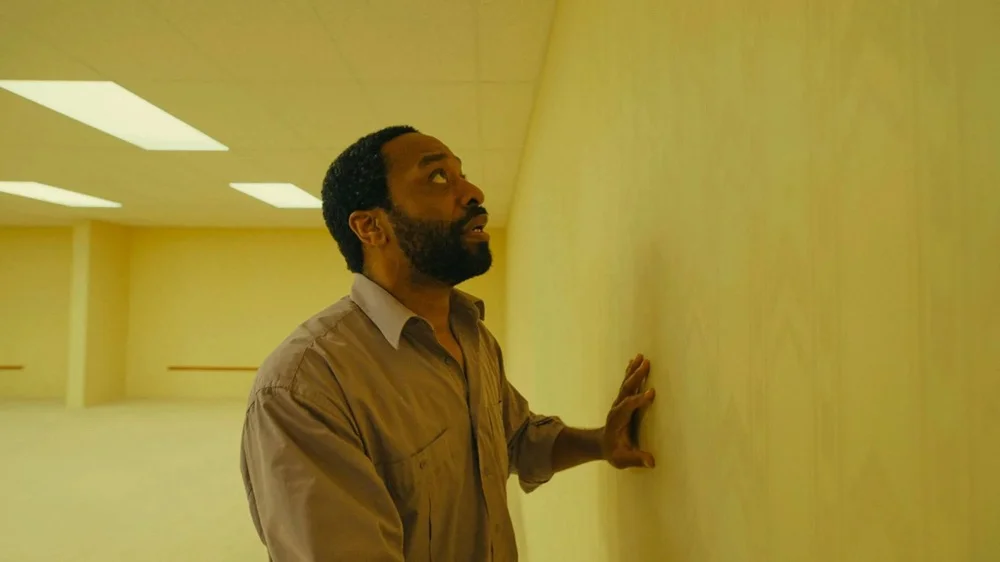
In the realm of unsettling spaces, few evoke the same sense of dread as empty furniture stores. Imagine wandering through the desolate aisles of a store like Ikea, alone at dawn or dusk, perhaps even trapped inside. The eerie silence and the meticulously arranged displays can transform an ordinary shopping experience into a surreal nightmare. This unsettling ambiance is the essence of what Kane Parsons captures in his debut film, Backrooms.
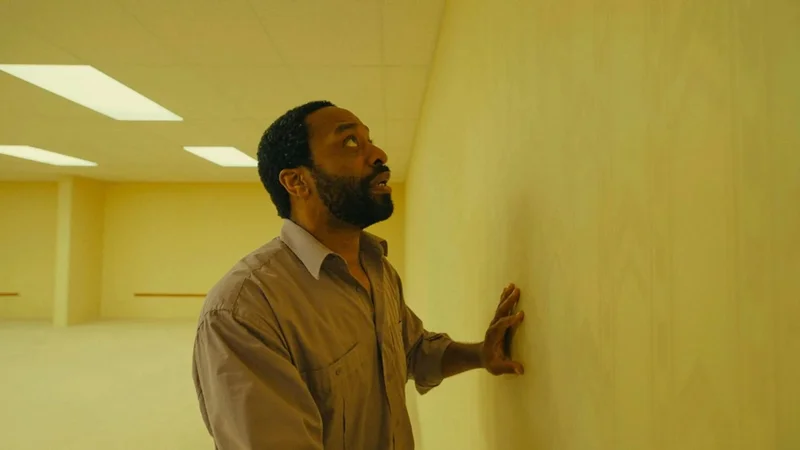
© A24
The Unnerving Concept of Creepy Pasta
For those unfamiliar, "creepy pasta" is a term that combines "creepy" with "copy & paste," referring to horror stories spread across the internet. These tales not only include the Backrooms but also urban legends like the Slender Man and the infamous arcade game Polybius from the fictitious company Sinnenlöschen. The allure of these disturbing internet myths lies in their ability to blur the lines between reality and fiction, a theme that has long fascinated writers and filmmakers alike.
A Cinematic Achievement on a Modest Budget
What sets Backrooms apart is its remarkable atmosphere, achieved on a surprisingly low budget of just $10 million. This film has made waves, raking in $118 million during its opening weekend alone and a total of $250 million since its release. Such success highlights the fact that compelling storytelling and skilled craftsmanship can outshine the glitzy CGI and high-profile actors that often dominate Hollywood.
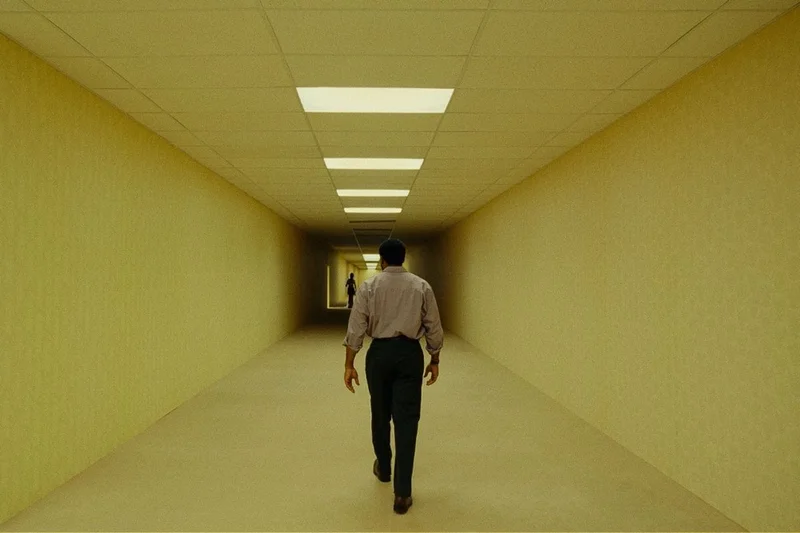
© A24
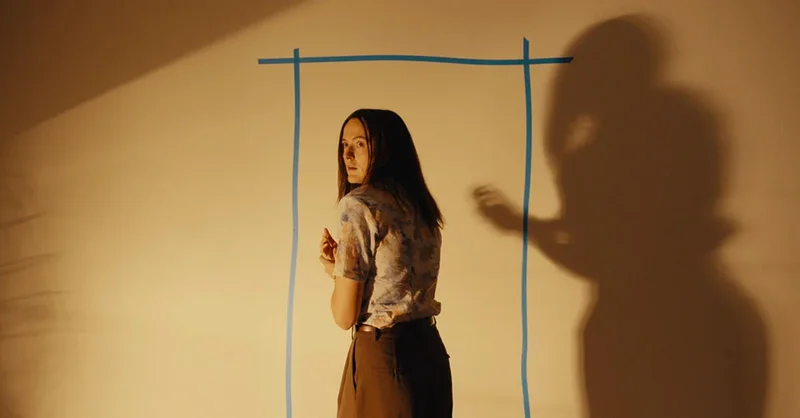
Parsons constructed a sprawling labyrinth spanning nearly three square kilometers for the film, where cast and crew often found themselves lost. This immersive environment contributes to the film's unsettling nature, as viewers are constantly reminded of the thin line between the Backrooms and the real world. The protagonist, portrayed by Chiwetel Ejiofor, navigates a bizarre basement filled with sparsely placed furniture, creating a sense of disorientation and unease.
The film's use of disturbing sounds and a slightly outdated visual style enhances its atmospheric tension. Blending elements of found footage, reminiscent of The Blair Witch Project, with a 90s aesthetic, Parsons has crafted a modern classic of analog horror. This stylistic choice cleverly masks any shortcomings in set design or special effects, adding to the film's nightmarish feel.
Parsons had previously utilized this analog horror style in his web series Backrooms, which ultimately led to the film's production. However, viewers need not have seen the series to appreciate the movie, as Backrooms stands strong on its own, potentially even more disconcerting without prior knowledge of its origins.
Final Thoughts: A Journey into the Unknown
Without delving into spoilers, it's essential to note that Parsons has created a film that is both quietly disturbing and metaphorically rich, illustrating labyrinthine structures in which we often find ourselves lost. This realization alone adds to the film's creep factor, making it a refreshing departure from mainstream horror.
The concept of Backrooms serves as an excellent foundation for suspense and mystery, prompting thoughts of exploring hidden corridors and uncovering their secrets. It’s reminiscent of themes explored in my own novel, Liams Labyrinth: Der Todes-Dungeon, where characters embark on a similar journey, starting with a painted door leading into the unknown.
© A24