Understanding Youth Slang Through Football Terminology
Explore how contemporary youth slang can be translated into football terminology, bridging the gap between generations and enhancing understanding of both cultures.
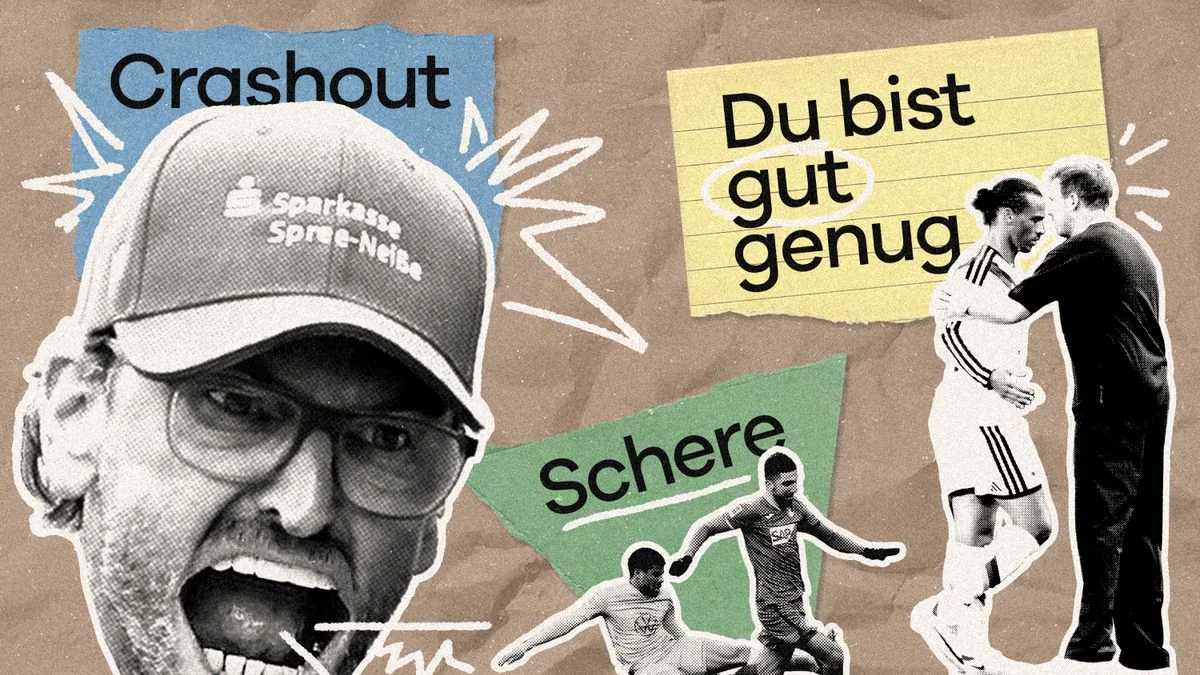
In the ever-evolving world of youth culture, new slang terms frequently emerge, leaving many older generations scratching their heads. To bridge this gap, we can translate some of these contemporary expressions into football language, making them more relatable for fans of the sport.
One popular term that has been making the rounds is "digga," which translates to a friendly way of addressing someone, akin to calling them a mate or buddy in football. Just as players often refer to each other in a supportive manner on the pitch, this term embodies camaraderie.

Another expression that has gained traction is "drop," which refers to something being released or revealed. In football, this can be likened to a player dropping a new skill move or a team unveiling a fresh tactic during a match. It’s all about the excitement of new strategies that can change the course of a game.

The term "rafen" is another youth word that means to not understand something. In football terms, it could be compared to a player misreading a play or failing to grasp a coach's strategy during a game. It captures that moment of confusion that can happen on the field.

Next, we have "einen auf die Mütze kriegen," which translates to receiving a setback or defeat. In football, this is akin to a team suffering a heavy loss in a match, feeling the sting of defeat after a hard-fought game.
"Bock haben" is another colloquial phrase meaning to be keen or eager about something. In the context of football, it reflects a player’s enthusiasm to get on the pitch and give their all during a match or training session.

The word "fame" has also made its way into youth slang, referring to being popular or well-known. In the realm of football, this resonates with star players who draw attention and admiration from fans worldwide, much like a striker celebrated for their goal-scoring prowess.

Another youth term, "schmecken," means to enjoy or relish something. In football, this could describe the joy a player feels after scoring a goal or winning a match, encapsulating the thrill of success on the field.

"Flexen" is used to denote showing off or flaunting. In football, this can be seen when players celebrate a goal with flair or display their skills in a way that draws attention, similar to a player dribbling past defenders with confidence.

Lastly, "Vibes" refers to the atmosphere or feeling of a situation. In football, this could pertain to the energy in the stadium during a high-stakes match, where the intensity and excitement can be felt by players and fans alike.
As the language of youth continues to evolve, these translations into football terminology help to foster a better understanding of both worlds. It’s a reminder that, regardless of the generation, the passion for football and the connections it creates remain timeless.