UEFA's Boycott Threat: A Firm Stance Against FIFA's Investor Plans
UEFA has issued a strong ultimatum against FIFA, threatening to boycott competitions over plans to sell World Cup shares. This commentary explores the implications of this stance.
Commentary
UEFA's Boycott Threat: A Firm Stance Against FIFA's Investor Plans
Date: 30.07.2026 • 19:29
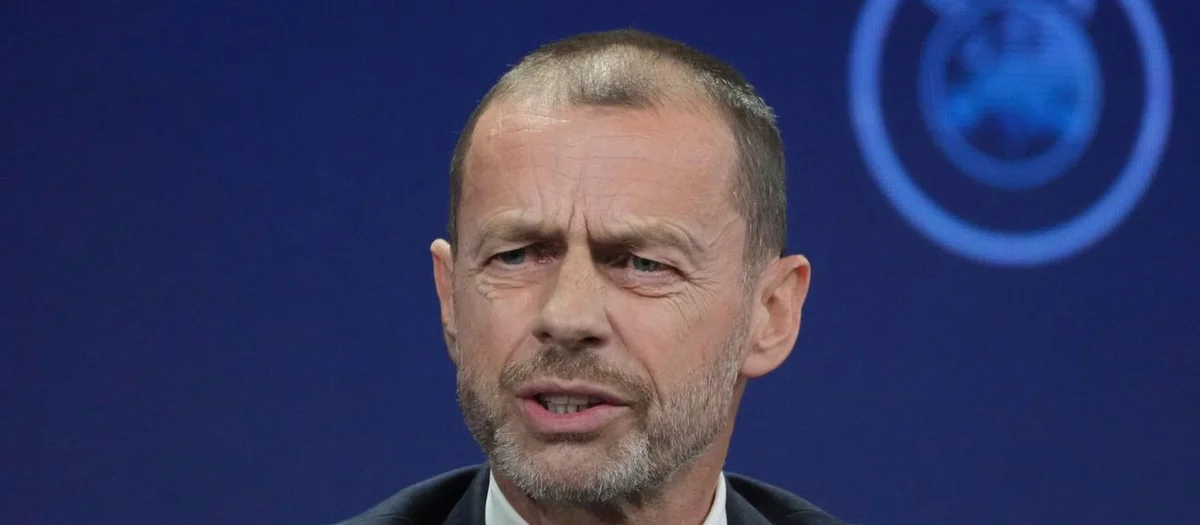
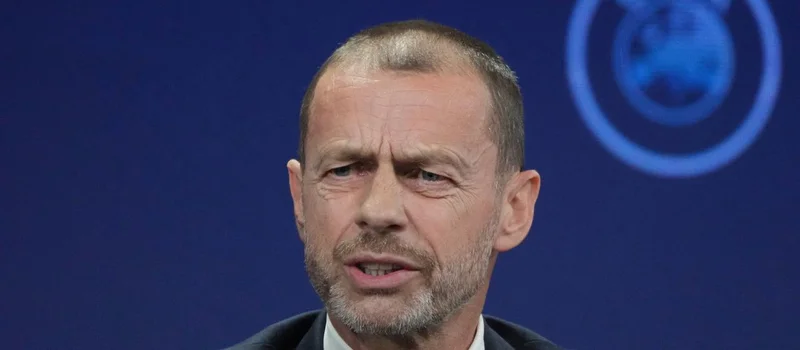
The UEFA has escalated its stance against FIFA, issuing a strong ultimatum: all 55 member associations have unanimously declared their intention to boycott FIFA competitions as long as the organization continues to pursue plans to sell World Cup shares. This declaration is not just a temporary protest; it is a definitive statement that leaves little room for negotiation. UEFA is demanding a binding commitment from FIFA, led by Gianni Infantino, to never again open its competitions to private ownership.
This demand for a perpetual assurance indicates a hard line that FIFA must navigate if it hopes to avoid a significant rift with European football. The threat of a boycott is not merely a rhetorical flourish but could fundamentally undermine the viability of FIFA's investor plans. Without the participation of Europe's football powerhouses, FIFA tournaments risk becoming second-rate events.
Historically, European teams have dominated international competitions, with more than half of the quarter-finalists in recent World Cups coming from Europe, across both men's and women's tournaments. If UEFA's boycott takes effect, the upcoming Women's World Cup could be severely diminished, lacking European representation and thus potentially leading to a less competitive and engaging event. It is hoped that the realities of such a scenario will prompt reconsideration, as the ultimate victims in any boycott are often the athletes themselves.
Furthermore, UEFA's decision reflects a commitment to preserving the integrity of football. They emphasize that some aspects of the sport are too valuable to be commodified. This sentiment, while noble, also raises questions about UEFA's own commercial interests, particularly given that they manage high-profile, commercially successful competitions like the European Championship and the Champions League. Therefore, the current boycott threat may also serve to protect UEFA's long-term financial interests while advocating for the sport's legacy.