Blu-ray Review: The Offence – A Deep Dive into Human Darkness
In _The Offence_, Sean Connery delves into the darkness behind his character's eyes, revealing a gripping exploration of morality and the psychological toll of violence. Sidney Lumet's film challenges viewers with uncomfortable truths about humanity.
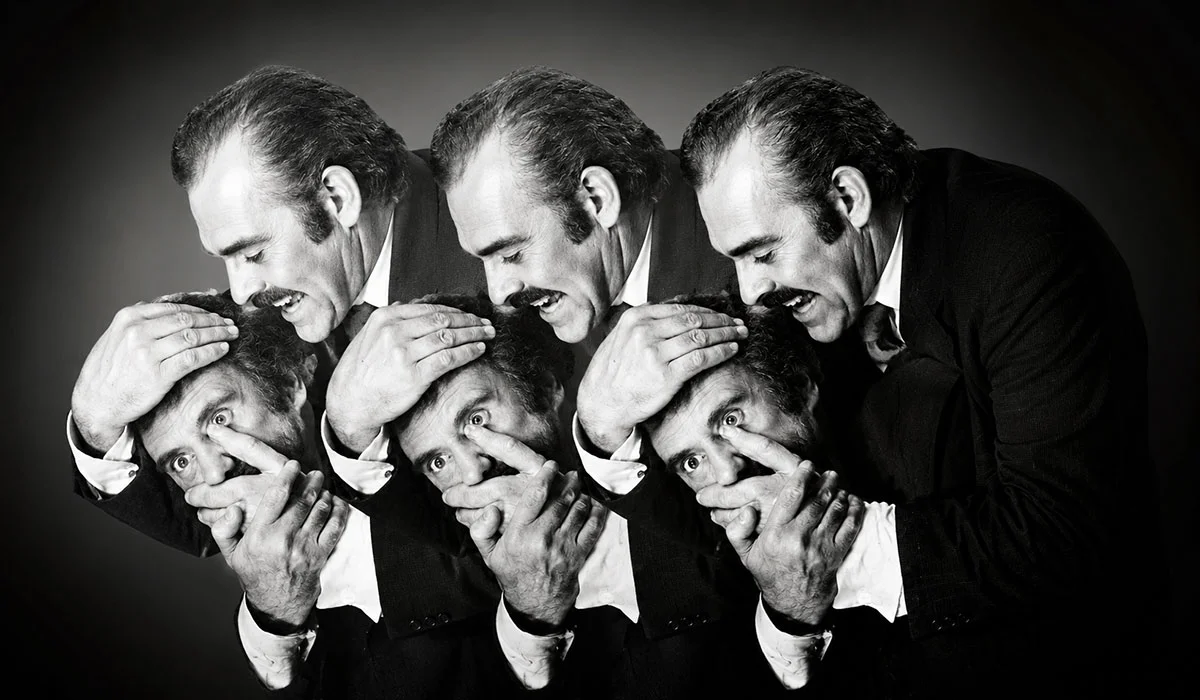
The visage of Sean Connery dominates the screen in The Offence, yet the film primarily explores the turmoil hidden behind his eyes. Portraying a man weary from witnessing the depths of human misery, Connery's character seems to have developed an aversion to the light. Directed by Sidney Lumet, this film transcends the typical police thriller, delving into the psychological scars left on a detective who grapples with the dark realities of his profession.
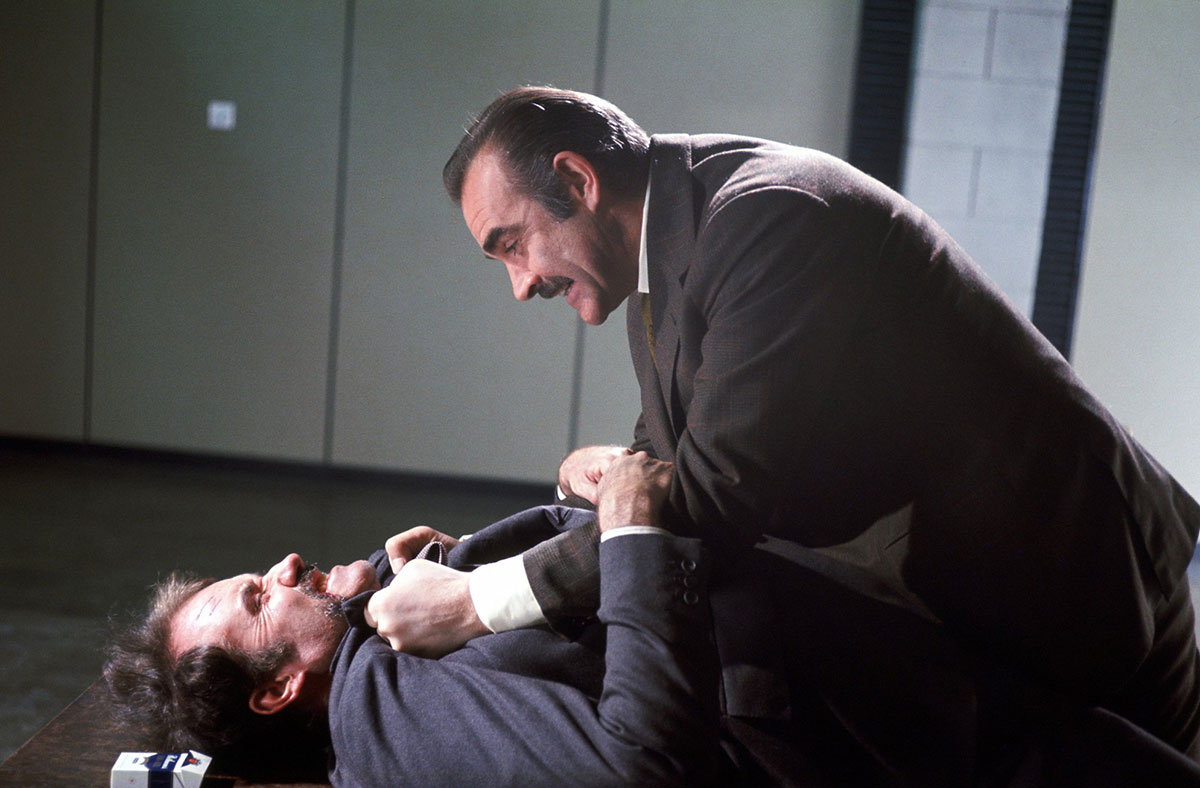
Set in a grim English suburb, the narrative revolves around a child rapist terrorizing the community. One fateful night, a drunken man named Kenneth Baxter is apprehended, leading Inspector Johnson to believe he has captured the culprit. However, the ensuing interrogation takes a harrowing turn.
The Film
Rating: 4/5
Lumet’s The Offence is less about a straightforward investigation and more about the psychological contamination that weighs heavily on Sergeant Johnson. Each case leaves an invisible residue on him, a dust that ultimately shrouds his soul in a layer of administrative ash. Having previously examined the justice system in 12 Angry Men, Lumet here focuses on the moment when authority transforms from a protective barrier into a personal prison. The adaptation of John Hopkins' play retains an intense theatricality, where dialogues feel more like interrogations than conversations. The characters seem to be fighting for survival in a world where words serve as incriminating evidence.
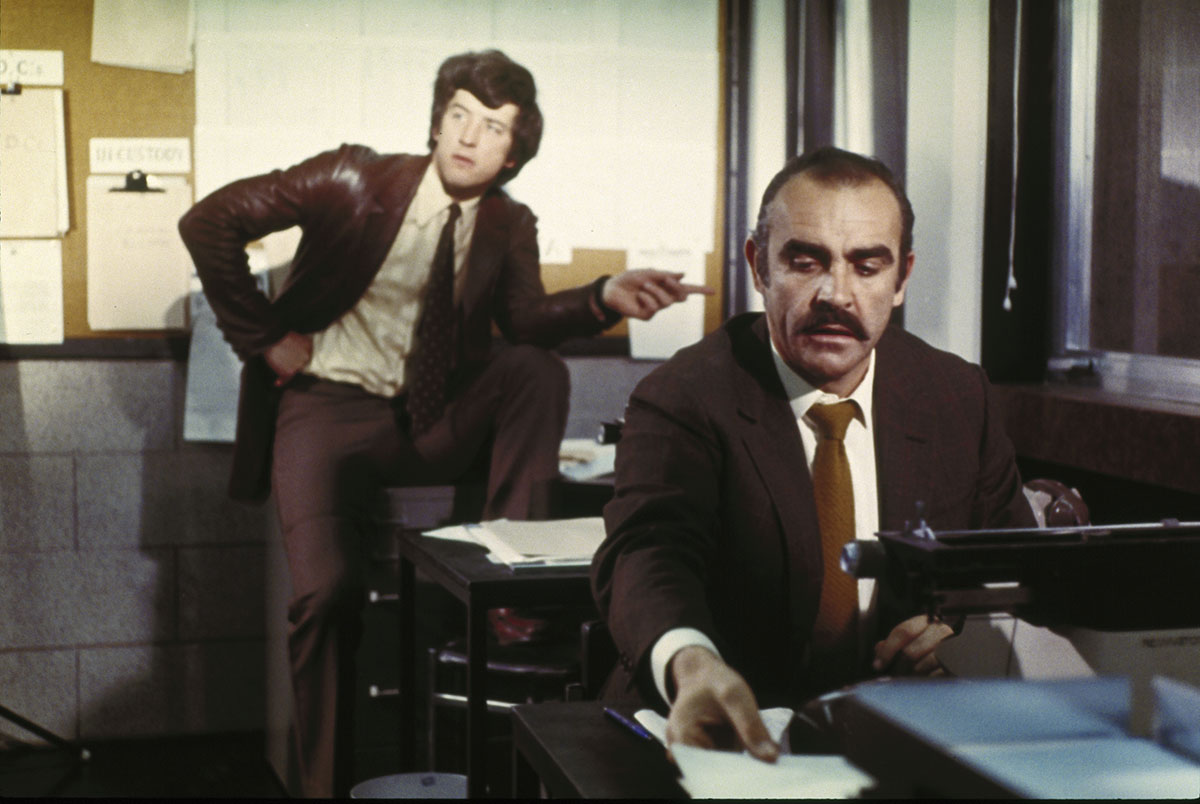
Unlike the muscular displays popularized by filmmakers like Don Siegel in Dirty Harry, The Offence presents its protagonist with a clinical concern. The film does not romanticize its hero; instead, it blurs the lines between the law enforcer and the suspect, creating a translucent boundary that raises unsettling questions about morality. Lumet's camera work enhances this disarray, employing close-ups that strip away facades rather than glorifying the characters. The oppressive framing often makes the walls of the police station feel as if they are breathing alongside the anxieties of its inhabitants, while the color palette fluctuates between mundane grays and aggressive hues, resisting a clear categorization of realism versus nightmare.
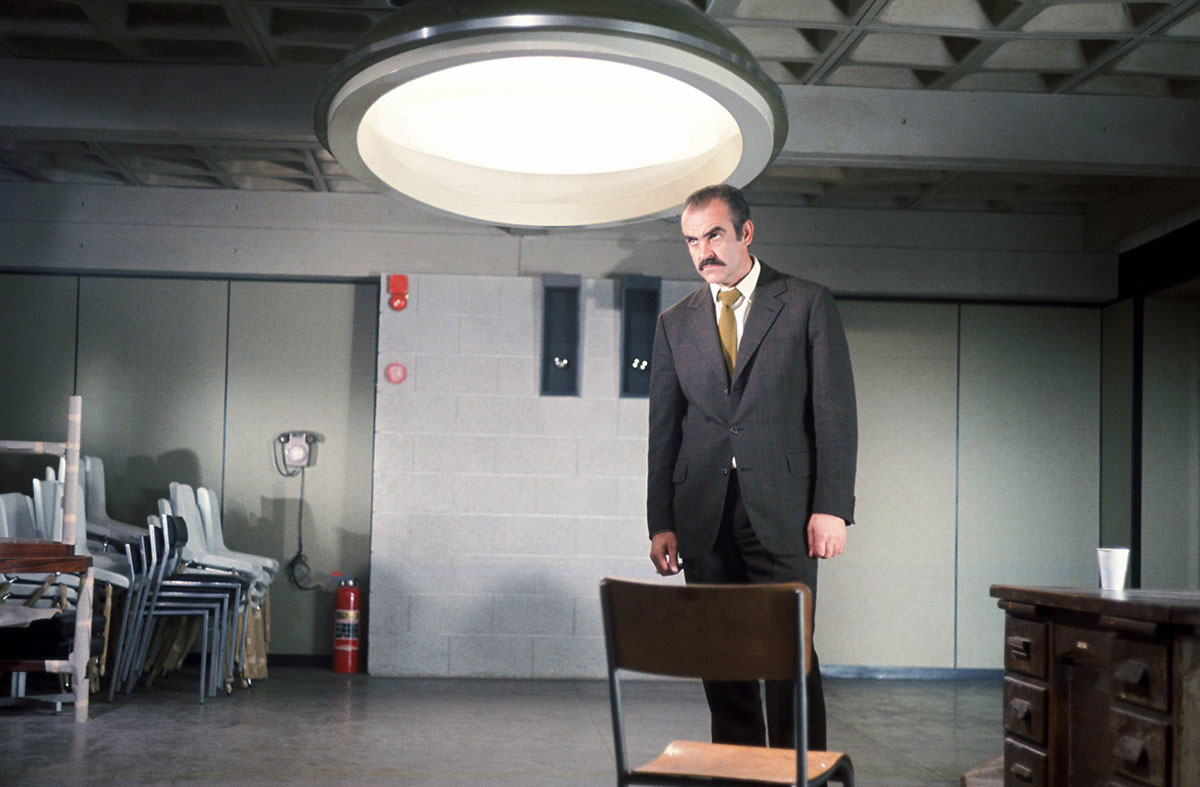
This darkness may explain why The Offence was met with a cold reception upon release. Audiences anticipated seeing Sean Connery in a charismatic hero role, only to find a weary man haunted by decades of confronting humanity’s worst. This stark contrast is striking, as Connery delivers one of his most courageous performances, shedding the glamorous veneer associated with James Bond. His portrayal is heavy with guilt and internal conflict, while Ian Bannen plays a suspect whose ambiguity keeps viewers on edge, transforming their encounter into a psychological duel where truth shifts like shadows.
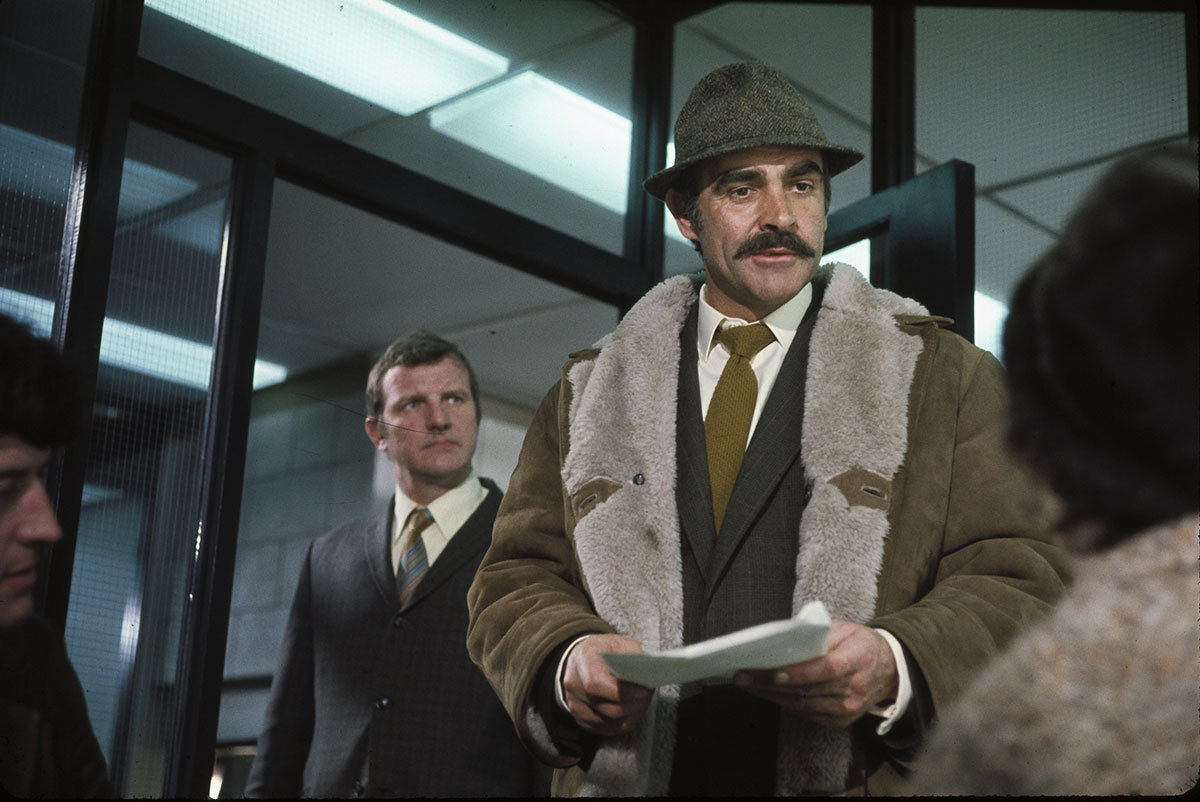
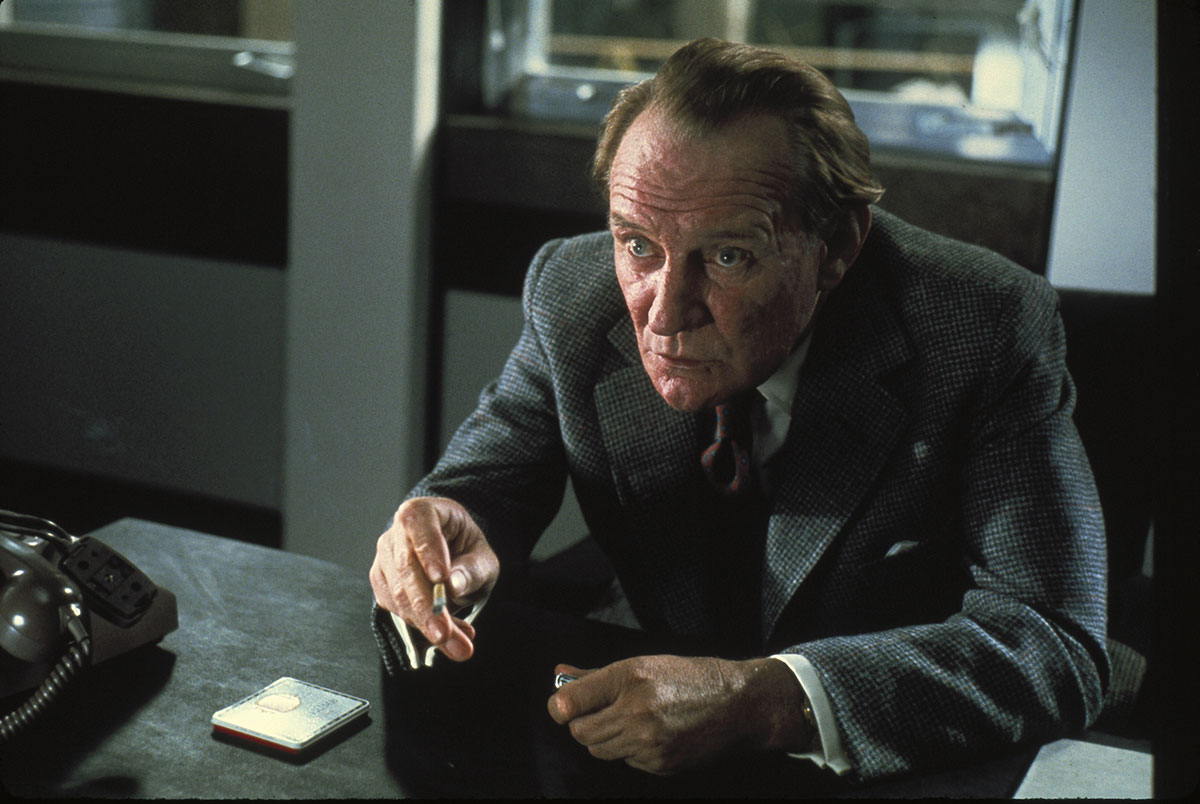
Supporting performances by Trevor Howard and Vivien Merchant add essential humanity to The Offence, reminding us that the collateral victims of violence do not always wear uniforms. Unlike many police films that resolve an investigation, The Offence dismantles the illusion that one can routinely bear witness to evil without absorbing some of its traits or behaviors. This theme resonates with a modern force, echoing later works like Martin Scorsese's Taxi Driver and Abel Ferrara's Bad Lieutenant, which delve deeper into the psyche of damaged individuals. Yet, Lumet maintains a distinctive elegance, opting for a gradual, almost surgical unveiling of the characters’ truths. The Offence offers no comfort or escape, instead confronting the audience with a disquieting question: how much darkness can a person witness before becoming part of the scenery? This inquiry remains relevant fifty years later, echoing like a lock that no one wishes to hear.
The Blu-ray
Rating: 4/5
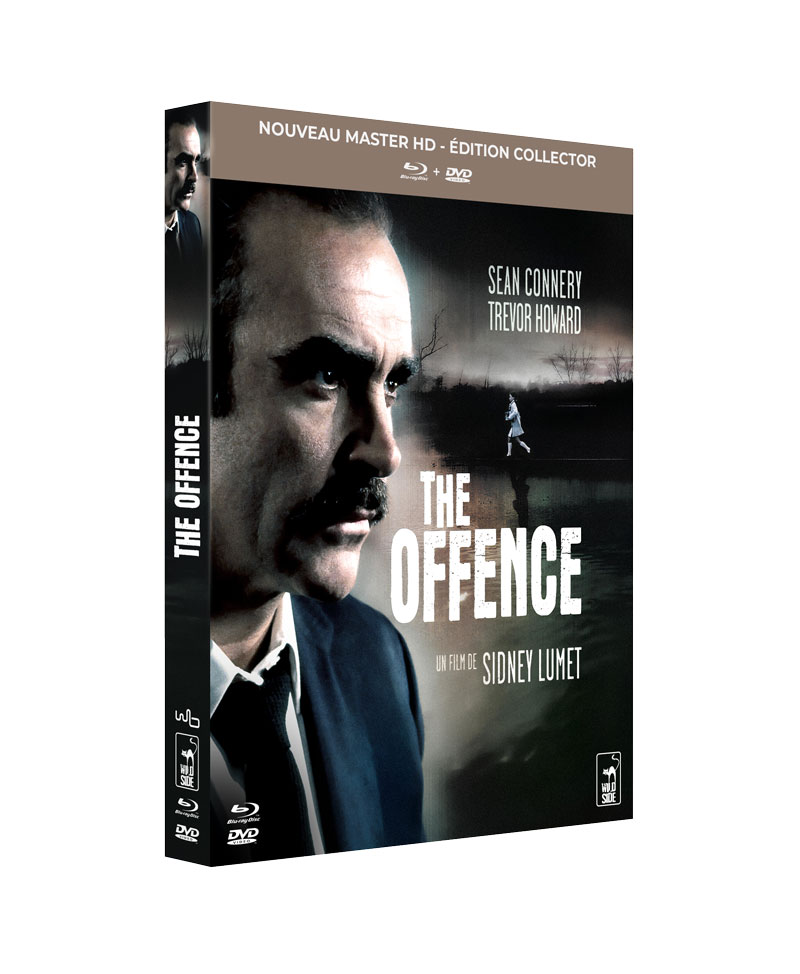
The long-awaited transition of The Offence to high-definition has finally arrived. Following the 2009 DVD release, which had become increasingly difficult to defend against modern standards, Wild Side Video has brought this often-overlooked Lumet film into sharper focus with a Blu-ray edition that, while not miraculous, allows for a more satisfying rediscovery of the work. The master used for this release is not new and lacks recent restoration, which naturally limits its ambitions. However, the improvement in quality is immediately apparent. The picture gains clarity, facial textures are enhanced, and the film's grain is preserved. The image retains a certain softness, particularly in close-ups, which contributes to the film's murky atmosphere. The darker color grading compared to the previous French edition intensifies contrasts, effectively conveying the moral decay that permeates each scene.
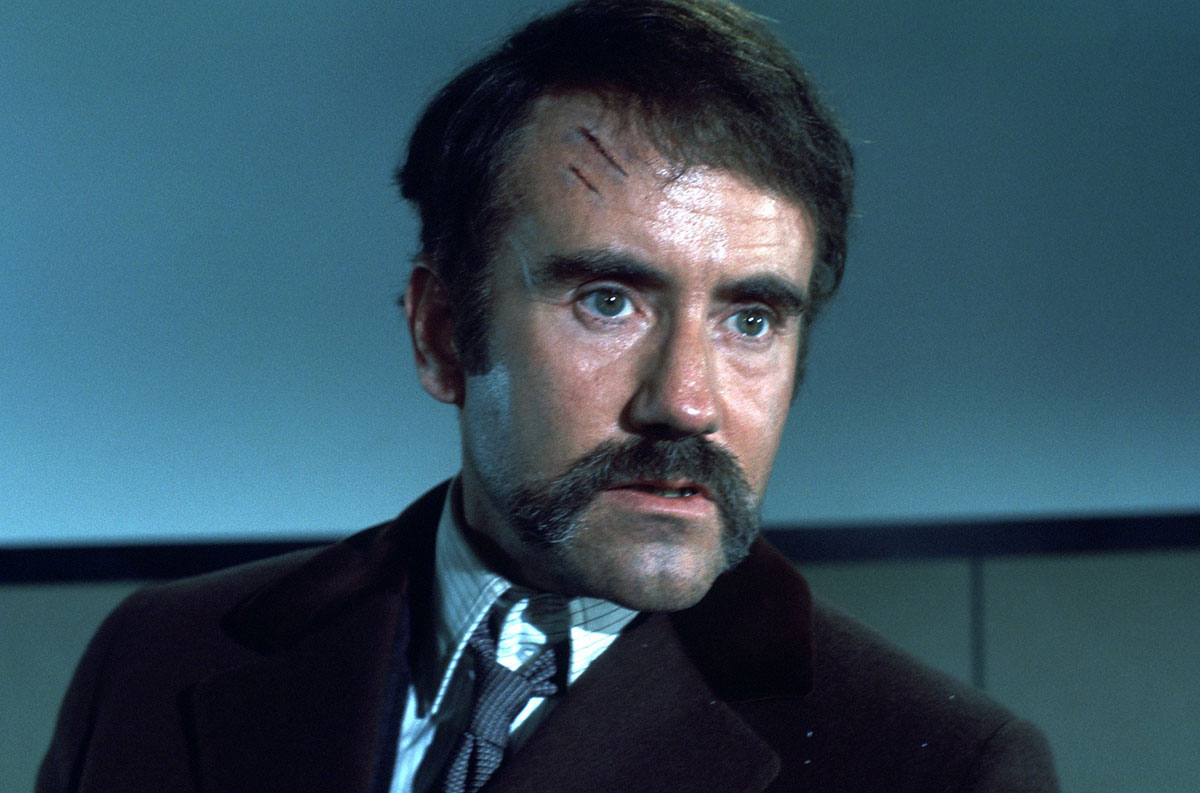
The audio is presented in DTS-HD Master Audio 2.0, maintaining clarity in dialogue while preserving the film's tense ambiance. Sir Harrison Birtwistle's unconventional score integrates seamlessly into the sound mix, enhancing the raw character of the film where every breath and hesitation often carries more weight than flashy effects.
The bonus features enrich this edition from Wild Side Video, shedding light on a film that has lingered in obscurity. It includes a film presentation by Jean-Baptiste Thoret and François Guérif (26 minutes), previously featured on the 2009 DVD. The duo provides a stimulating analysis, contextualizing The Offence within the upheavals of 1970s crime cinema. Thoret emphasizes Lumet's directorial choices—his use of slow motion, framing, and color to depict the protagonist's psychological unraveling, while Guérif discusses the production context and Connery's desire to distance himself from the James Bond persona.
Additional features include an interview with Evangeline Harrison (5 minutes), the film's costume designer, who shares memories from the set, including Connery's first appearance without his iconic toupee and Trevor Howard's memorable temper. There is also an interview with Chris Burke (9 minutes), the assistant art director, who discusses Lumet's meticulous preparation methods and the elegant lighting work of Jerry Fisher. Furthermore, Sir Harrison Birtwistle (10 minutes), the film's composer, reflects on his experimental score, crafted in layers and later electronically refined. Lastly, an interview with Christopher Morahan (9 minutes) provides insight into the origins of John Hopkins' play This Story of Yours, which he had previously staged before Connery adapted it into The Offence. The package concludes with the traditional trailer.