
Usual Suspects: A Cinematic Twist That Redefined Thrillers
This film redefined the concept of a final twist, leaving millions of viewers stunned. A look back at one of cinema's most memorable endings.

In the realm of cinema, few films have managed to leave audiences as stunned as Usual Suspects, which premiered in 1995. Directed by Bryan Singer and penned by Christopher McQuarrie, this film not only captivated viewers but also set a new standard for narrative twists in the thriller genre.

Featuring a stellar cast that includes Gabriel Byrne, Kevin Spacey, Benicio Del Toro, Chazz Palminteri, and Stephen Baldwin, Usual Suspects is renowned for its mind-bending conclusion. The film's final revelation has become iconic, recontextualizing the entire narrative and leaving millions of viewers in shock.
A Shocking Conclusion
At the time of its release, the film’s ending was a complete surprise, catching everyone off guard. The twist does more than just reveal a hidden truth; it reshapes the viewer's understanding of the entire story. Throughout the film, the investigation hinges on the testimony of Verbal Kint, portrayed by Kevin Spacey. Verbal presents himself as a frail and unassuming character, seemingly harmless and unreliable.
As the plot unfolds, Inspector Kujan, played by Chazz Palminteri, discovers that many details from Verbal's account are drawn from items and words visible in his office, indicating that his narrative may be largely fabricated. This realization leads the audience to understand that they have been misled by an unreliable narrator, a classic trope in storytelling.
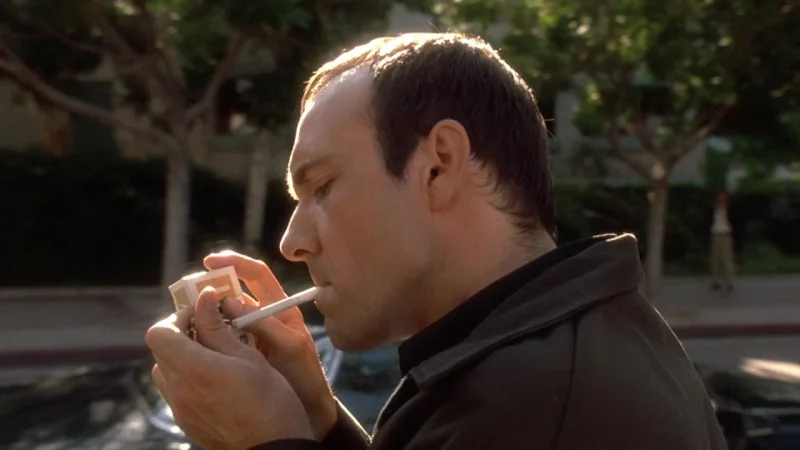
The climactic moment reveals that Verbal Kint is, in fact, the infamous criminal Keyser Söze, a twist that transforms the character before our eyes. The scene where he exits the police station, gradually shedding his limp before confidently entering a car, has become emblematic of his transformation.
 MGM
MGM
A Memorable Transformation
As Verbal shifts from a seemingly weak figure to the powerful Keyser, the narrative cleverly deceives not only the investigator but also the audience. The film subtly guides viewers to adopt Verbal's perspective, making the eventual revelation all the more impactful. The twist serves as a brilliant example of a story told through a biased lens, where the truth is obscured until the very end.
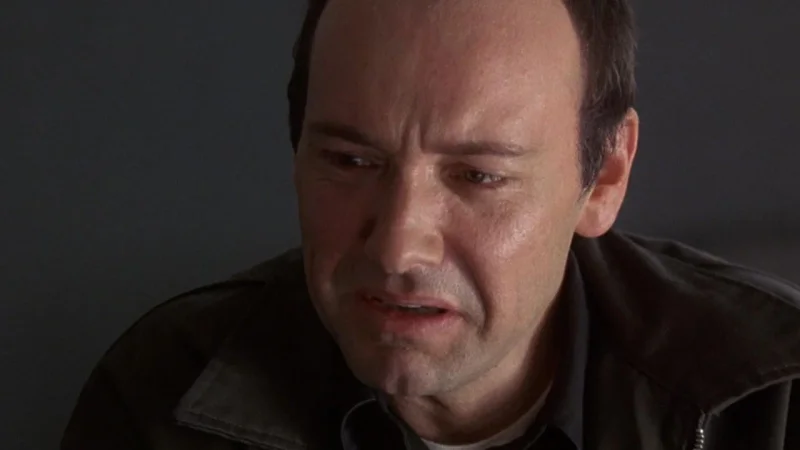
Despite the shock of the twist, it leaves some ambiguity. The film does not clarify which parts of Verbal's story were true, which were entirely fabricated, or what actually transpired. This ambiguity has fueled discussions and analyses since the film's release, contributing to its enduring legacy.
 MGM
MGM
A Lasting Influence
This uncertainty has made Usual Suspects a timeless piece of cinema. Upon its release, the film's conclusion was groundbreaking, utilizing the final twist not merely as a surprise but as a means to retroactively alter the entire narrative. In the years that followed, numerous thrillers adopted similar techniques, blending unexpected revelations with unreliable narrators and minimalist storytelling.
The film’s famous final line, "The greatest trick the Devil ever pulled was convincing the world he didn't exist," encapsulates its essence and leaves audiences contemplating the nature of deception. The victory of the antagonist was a departure from the norm, making it a standout in the genre.
M. Night Shyamalan would later further redefine the concept of the twist with films like The Sixth Sense and Unbreakable, but the impact of Usual Suspects remains a pivotal moment in cinematic history.