
Review | No Time to Die by Cary Joji Fukunaga (2021)
After a lengthy wait, the latest James Bond film, No Time to Die, arrives, but not all viewers appreciate its depth. This review explores Daniel Craig's fitting farewell as Bond.
The long-awaited release of James Bond's latest adventure has finally arrived, but it seems many viewers have not fully appreciated it. No Time to Die marks a fitting farewell for Daniel Craig, widely regarded as the definitive Bond. This article attempts to unpack the film's themes and significance.
Conclusion of an Era
Cary Fukunaga faced a substantial challenge: to wrap up the most experimental narrative arc in the history of James Bond, showcasing the character's most innovative and poignant moments on screen. Crafting a fitting exit for the universally praised Daniel Craig was the primary mission of this installment, which had been anticipated for two years. While it may not reach the heights of the esoteric musings found in Skyfall, it is reassuring to see No Time to Die initially follow in the footsteps of its recent predecessors. The 21st-century Bond is portrayed as a sensitive and troubled hero, grappling with the complexities of his world. This duality—being both a devoted spy and a romantic haunted by betrayal—serves as a key element in the success of the recent films. Fukunaga strives to address the issues arising from this bipolarity. Although No Time to Die begins in familiar territory, its plot twists are equally surprising and bold.
Original Wound
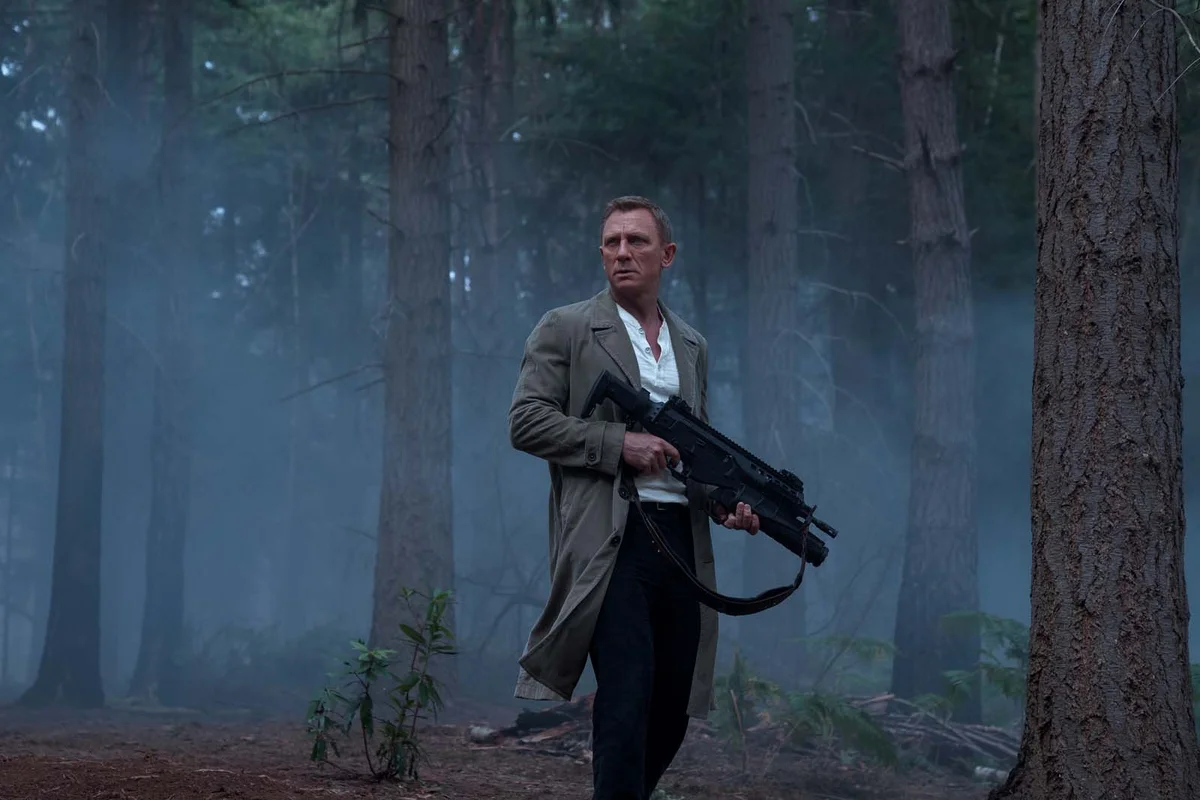
In a striking metaphor, the explosion near his grave symbolizes that Vesper Lynd is now just a distant memory. The message is almost too clear: Bond has finally managed to shed the burden of a Damocles sword that has loomed over him since the conclusion of Casino Royale. In Spectre, Christoph Waltz toyed with the spy's unresolved traumas, which partly contributed to the previous film's lukewarm reception. The significant five-year gap at the beginning of No Time to Die signifies a desire to start anew. The Bond of 2021 undergoes a transformation. He is no longer a battered figure, intentionally unsympathetic, but instead embodies the love he has accepted. Expecting a cold, detached agent devoted solely to hedonism is misguided; Bond now risks his life to protect his loved ones. This radical choice aligns with the trajectory initiated by Martin Campbell in 2006. The action scenes reflect these new stakes on a human scale, avoiding extravagant space escapades or excessive explosions. Fukunaga opts for minimalistic tension, exemplified by a grounded forest chase, allowing No Time to Die to overcome the complexities associated with being the final installment.
Mission Accomplished
However, No Time to Die does not reach the visual intensity of Skyfall or the steadily escalating pace of Casino Royale. This is simply because it does not aspire to such heights. The mythology surrounding Daniel Craig has already been established. Themes of sacrifice, unwavering devotion to country, and an Oedipal complex have been explored. Since his resurrection during a legendary poker game, Bond has faced numerous challenges that have shaped his unique ethics and morals. Spectre attempted to add another layer but ended up lacking substance and interest. Fukunaga presents his antagonist as relatively simplistic, yet their motivations remain valid. It is true that James Bond thrives in the presence of formidable foes, yet Craig's rendition of the character has transcended the archetype and its expected trajectory. The modern Bond has become an icon of contemporary culture, and No Time to Die does not need to showcase the usual tropes associated with his status. Its sole ambition is to conclude a beloved era in which the spy experienced his finest moments. Although the narrative may feel a bit lengthy, it diligently focuses on achieving this goal, with 007 leading an adventure that stands apart from others like Quantum of Solace or Spectre, which made questionable choices that could be debated (though they did not detract from the overall spectacle). No Time to Die centers its lens on the titular hero, surrounded by familiar characters like Q, M, and endearing allies. This eclectic ensemble reflects the obsessions that have permeated the Craig saga: James Bond has now immersed himself in a starkly realistic universe, far removed from the highly technological fantasies of the Brosnan era. It is clear now: the world he has encountered suffices.
— Emeric