La Bataille de Gaulle: The Diptych Strategy in Modern Cinema
"La Bataille de Gaulle" is currently in theaters as a two-part film. Producer Jérôme Seydoux explains the strategic choice behind this diptych format, which has proven beneficial at the box office.
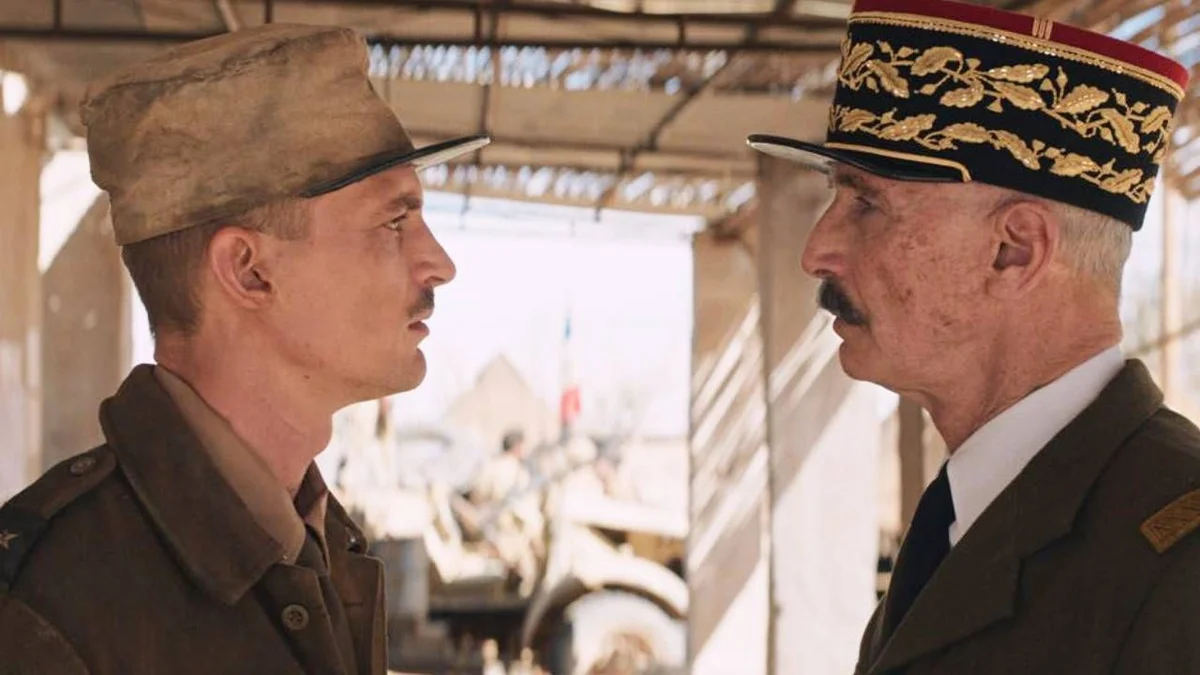
Currently screening in theaters, "La Bataille de Gaulle" is presented in two parts, released three weeks apart. This decision raises the question: why choose a diptych format instead of a single film with an intermission? Jérôme Seydoux, the producer from Pathé, sheds light on this choice.
When it comes to films with extensive narratives, viewers often ponder the best viewing format. Should one opt for a lengthy film like "The Brutalist" (3h34) released last year, or the recently released full version of "Kill Bill" (4h35), both of which include a 15-minute intermission? These films adopt a single screening format, allowing for a brief pause.
In contrast, "La Bataille de Gaulle" has chosen to release its story in two parts, initially planned for a month apart but later adjusted to three weeks to boost ticket sales for the first installment and take advantage of the Fête du cinéma.
So, why split the film into two distinct parts? This decision was part of a strategic approach, as explained by Jérôme Seydoux in a recent interview with Le Figaro.
"Against all odds, this two-film structure has ultimately helped the project win the box office battle"
Seydoux reflected on his initial uncertainty about the necessity of two films. He stated, "Against all odds, this two-film structure has ultimately helped the project win the box office battle. When the first part did not perform as expected, the second provided an opportunity for a revival. In this context, the diptych has proven to be a strategic advantage."
Le Figaro further explores whether the subject matter was too substantial for a single film. Seydoux agreed, noting, "The narrative was vast, complex, and very dense. Additionally, [director] Antonin Baudry wanted to closely manage every aspect of the film, which is perfectly legitimate but makes the overall production longer and more ambitious."
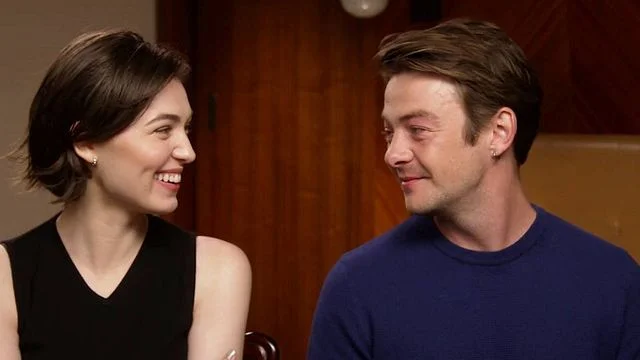
When asked about the film's lengthy duration, actors Anamaria Vartolomei (Livia) and Félix Kysyl (Moulin) pointed out the paradox that viewers are often more willing to binge-watch a series for hours than to sit through a long film.
Vartolomei humorously remarked, "The film could have lasted five hours straight, so consider yourselves lucky it's split into two parts!"
"Spending five hours in a cool theater, with a lunch break between sessions, is ideal"
Kysyl added, "Spending five hours in a cool theater, with a lunch break between sessions, is ideal." He noted that while French films typically don't follow this format, audiences readily accept American productions that run three hours, such as "Oppenheimer" or the upcoming epic from Christopher Nolan, "L'Odyssée."
To effectively tell a story of such magnitude—covering World War II, the Liberation, the Resistance, and Free France—ample time is essential, Vartolomei explained. She emphasized the film's stunning war scenes, stating, "The film contains scenes of war that are so beautifully and artistically mastered that one would want them to last longer. At worst, if you get bored, you can leave the theater; it’s not a big deal. But the risk is low for such an epic adventure film!"
She further noted, "We can binge-watch a series and spend 7 hours at home watching episodes. But going to the cinema for 2h40 feels daunting. Personally, I think it's fantastic to immerse oneself in a theater for 2h30 and witness something grand, a sweeping epic narrative."
To date, the two parts of "La Bataille de Gaulle" have accumulated over 2.5 million admissions, with the second part expected to surpass one million soon. The first part has already exceeded 1.4 million admissions, and both films remain in theaters.